Steel Hot-Dip Galvanizing and Metal Processing

Technologies ensuring Your Metal's Longevity

Steel Hot-Dip Galvanizing (ISO 1461)

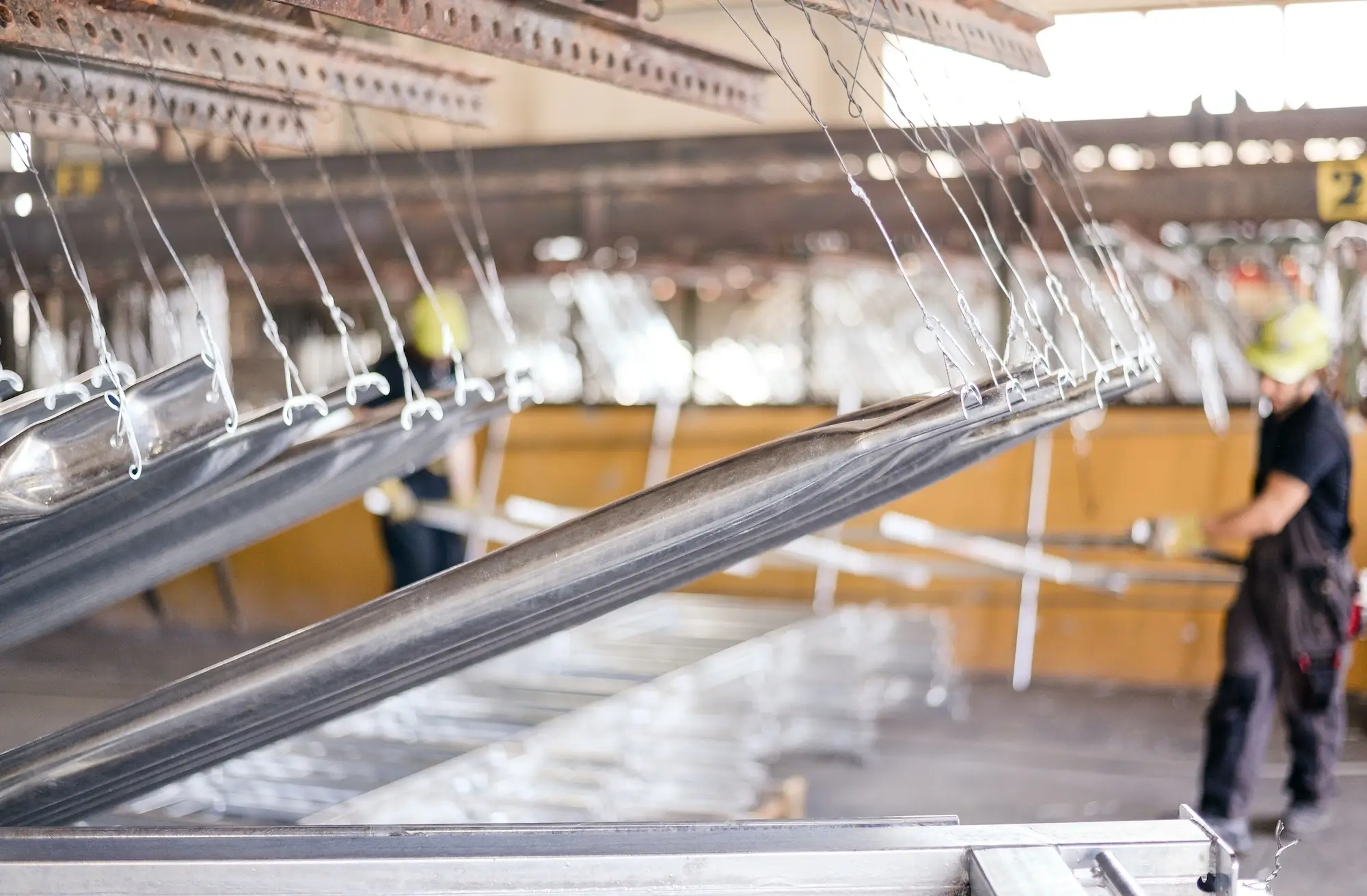
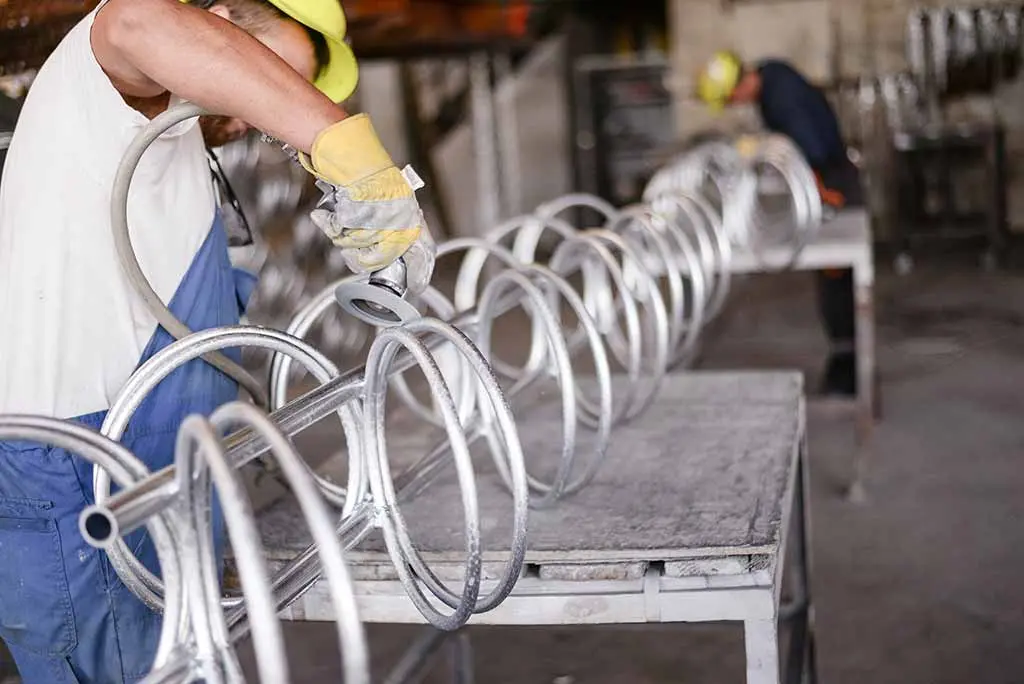
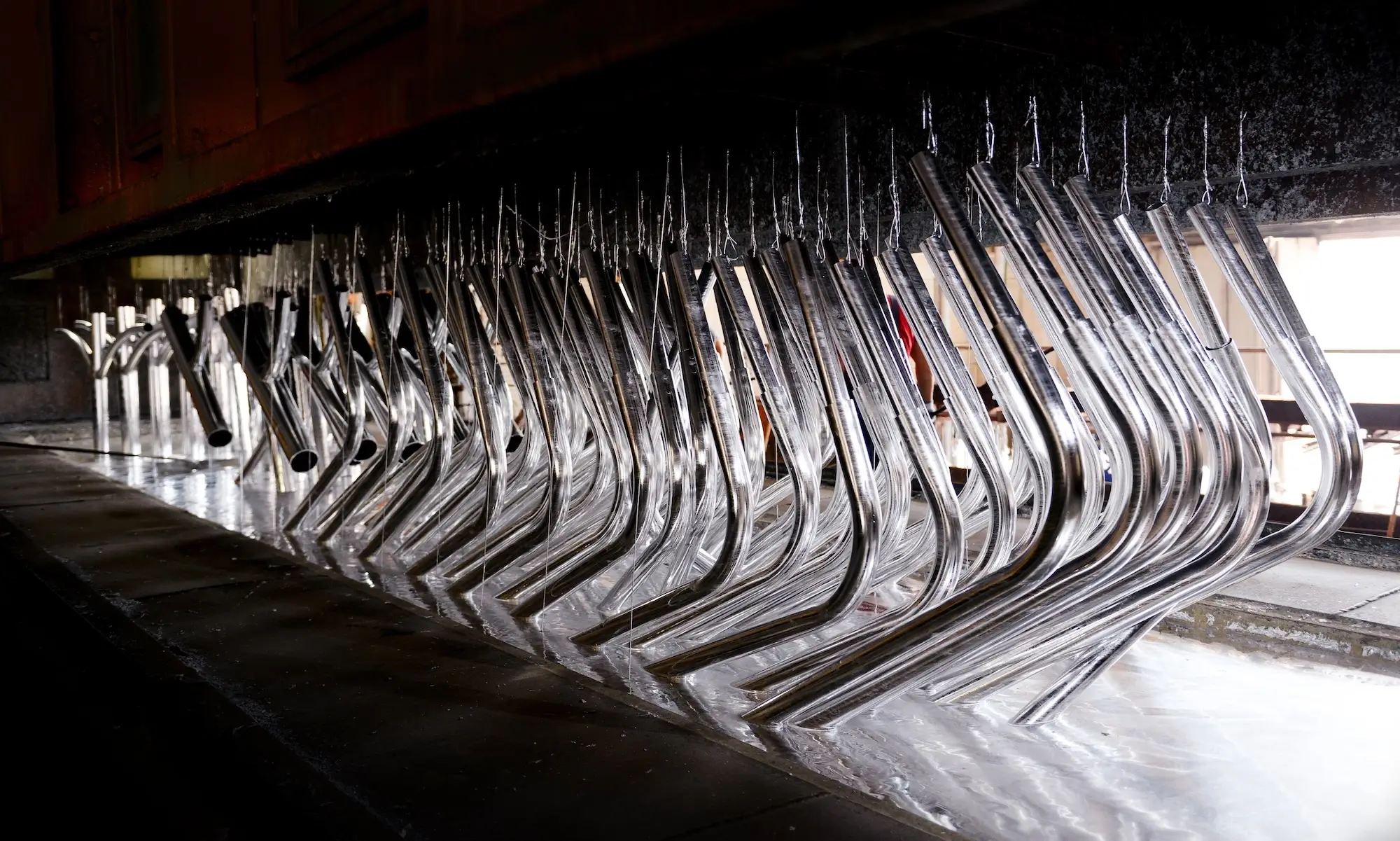
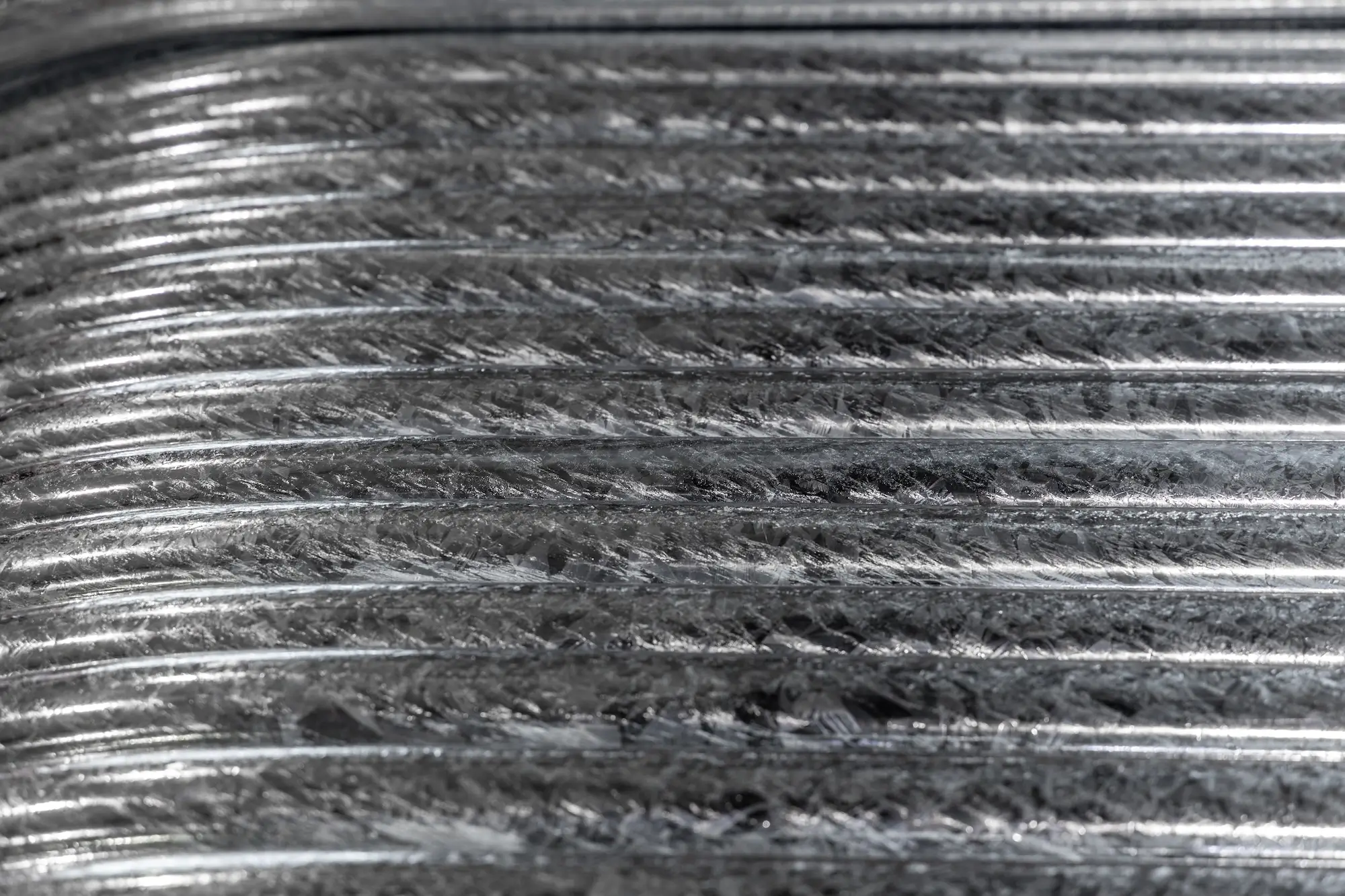
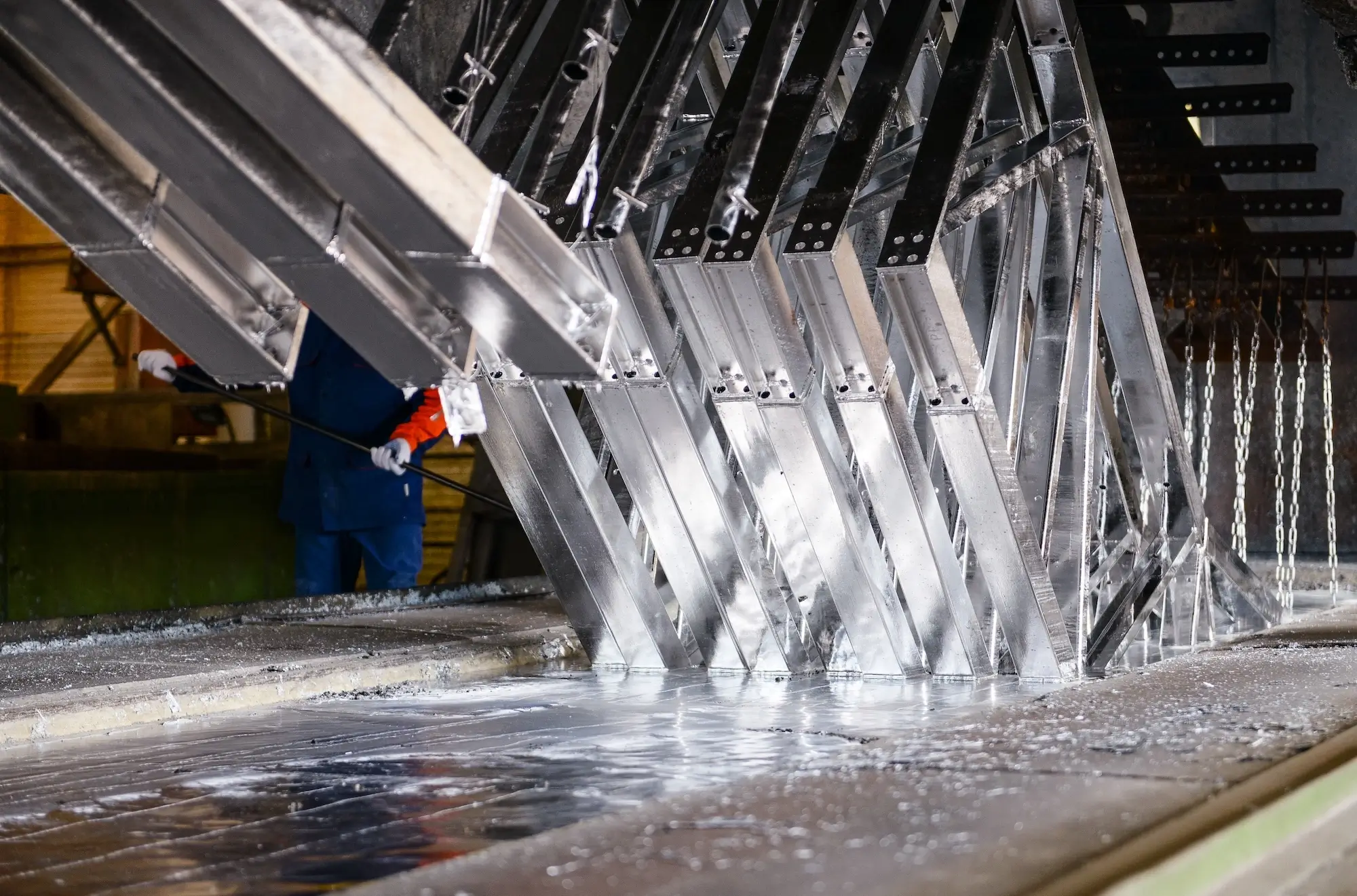
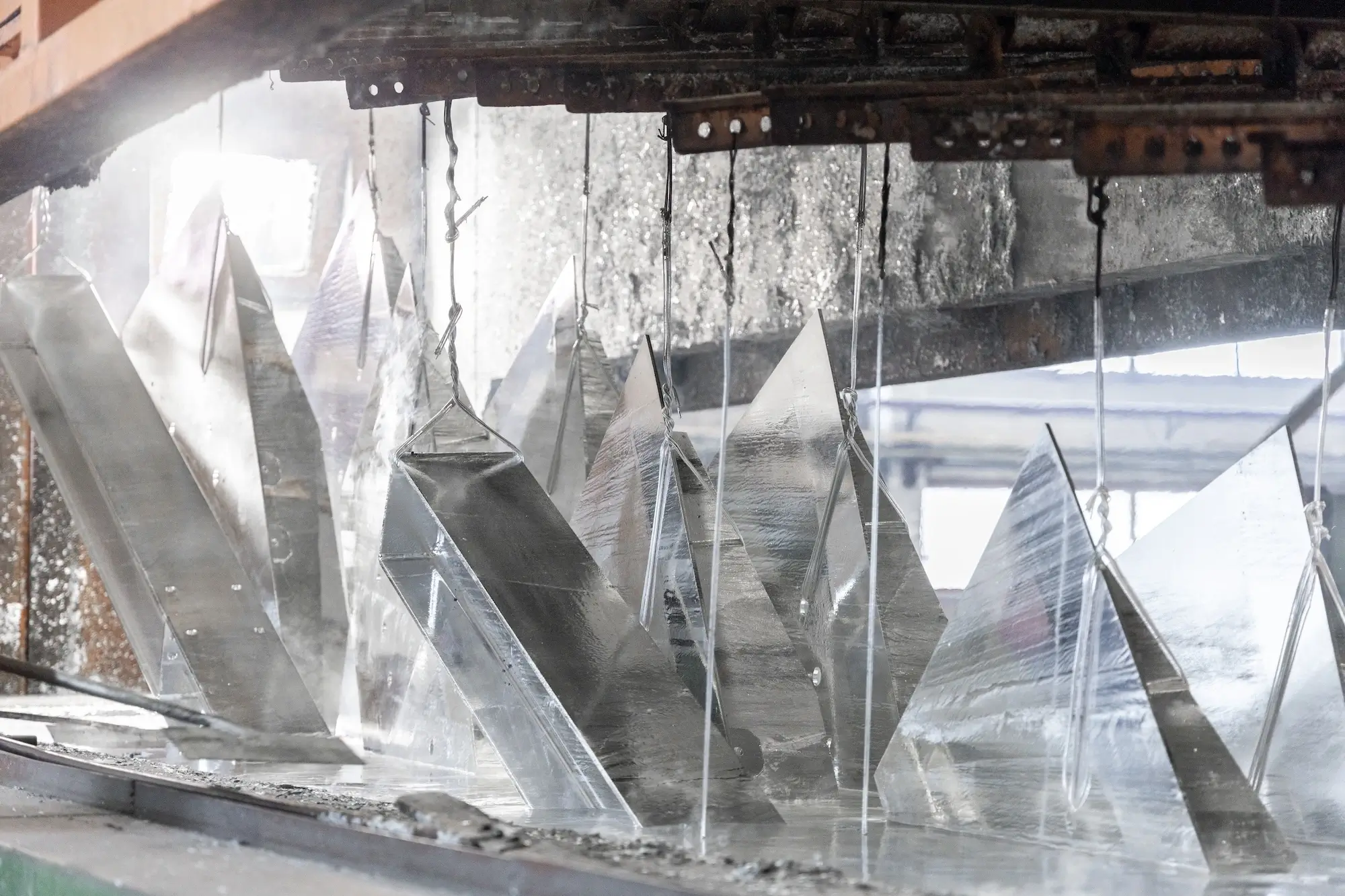
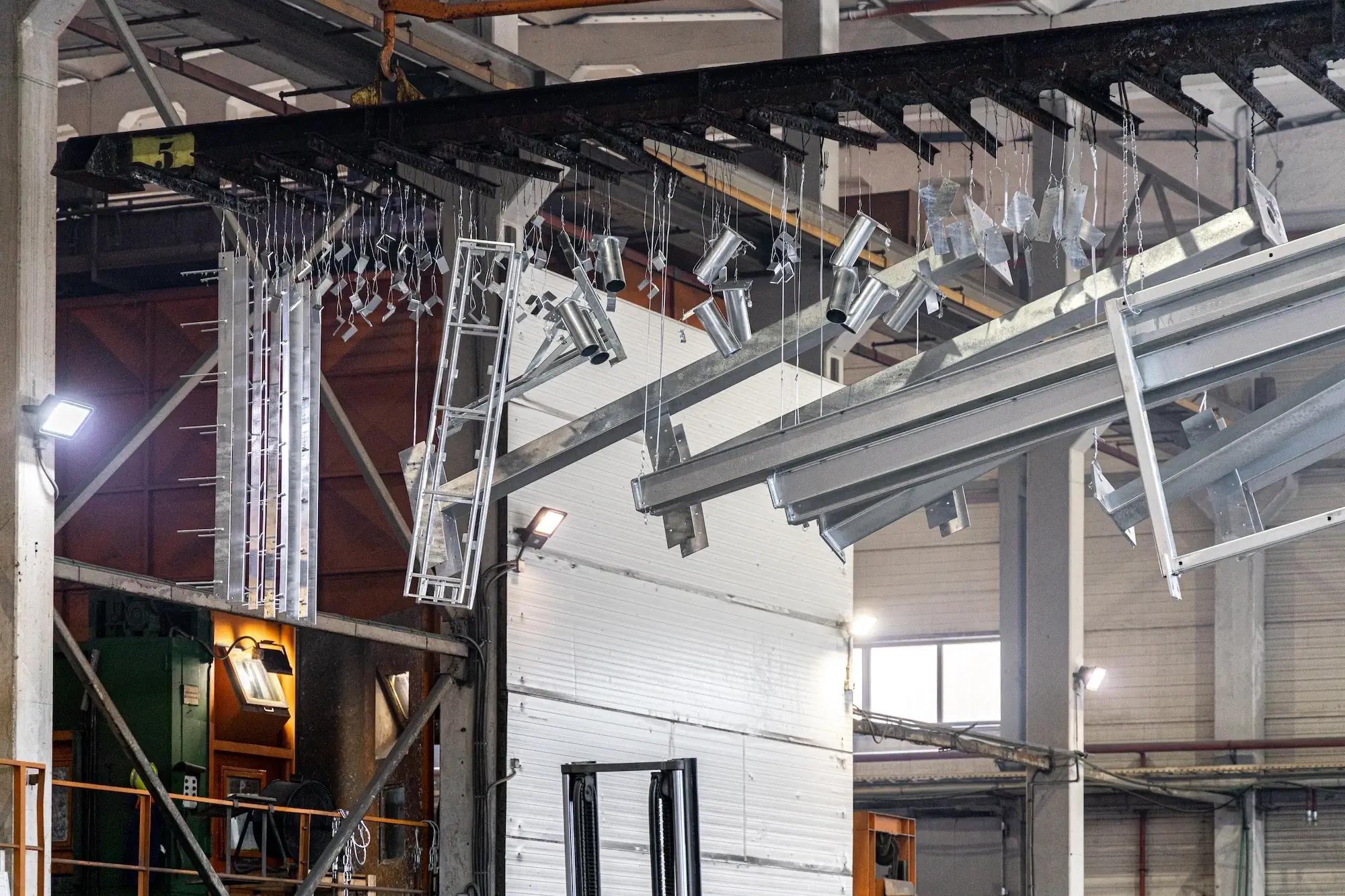
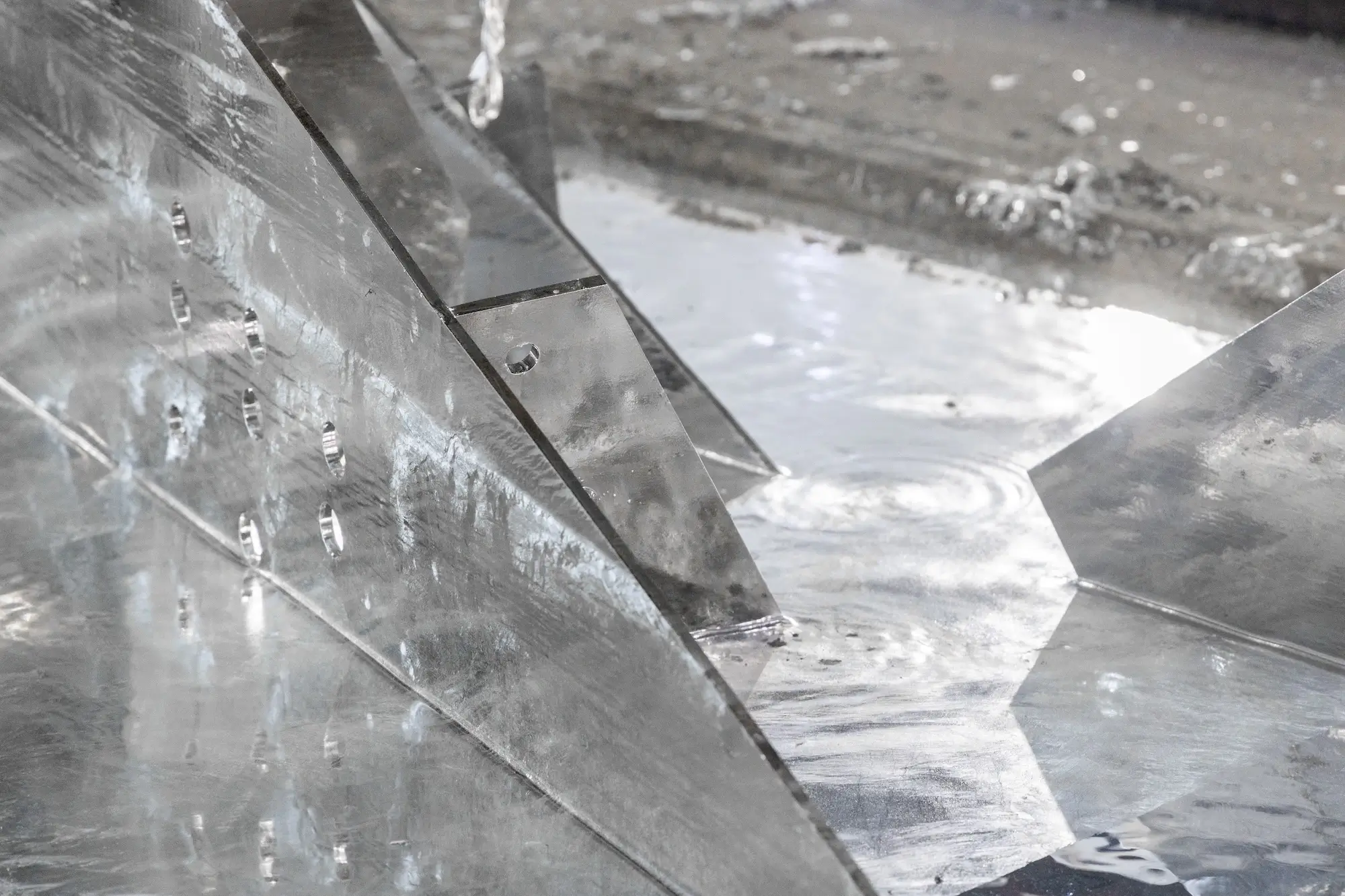
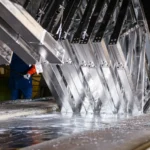
The hot-dip galvanizing process involves immersing a pre-treated steel component into a molten zinc bath maintained at approximately 450°C. This process goes beyond simple surface coating; an active diffusion reaction occurs between the steel surface and the zinc. The result is a durable iron and zinc alloy molecularly bonded to the base metal, providing unmatched resistance to mechanical damage.

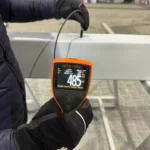
Coating thickness is not constant; it depends on the steel’s chemical composition (especially silicon content), immersion time and zinc temperature. By precisely varying the immersion time, our technologists can control the coating thickness within a specific range. This ensures a result that meets both the client’s technical requirements and the intended operating conditions.

The most significant advantage of hot-dip galvanizing is complete protection. Liquid zinc flows into all structural “pockets,” pipes, and cavities, coating internal surfaces that paint or other methods cannot reach. It is a long-term investment guaranteeing low operating costs, as properly galvanized steel lasts for decades without needing renewal or repainting.

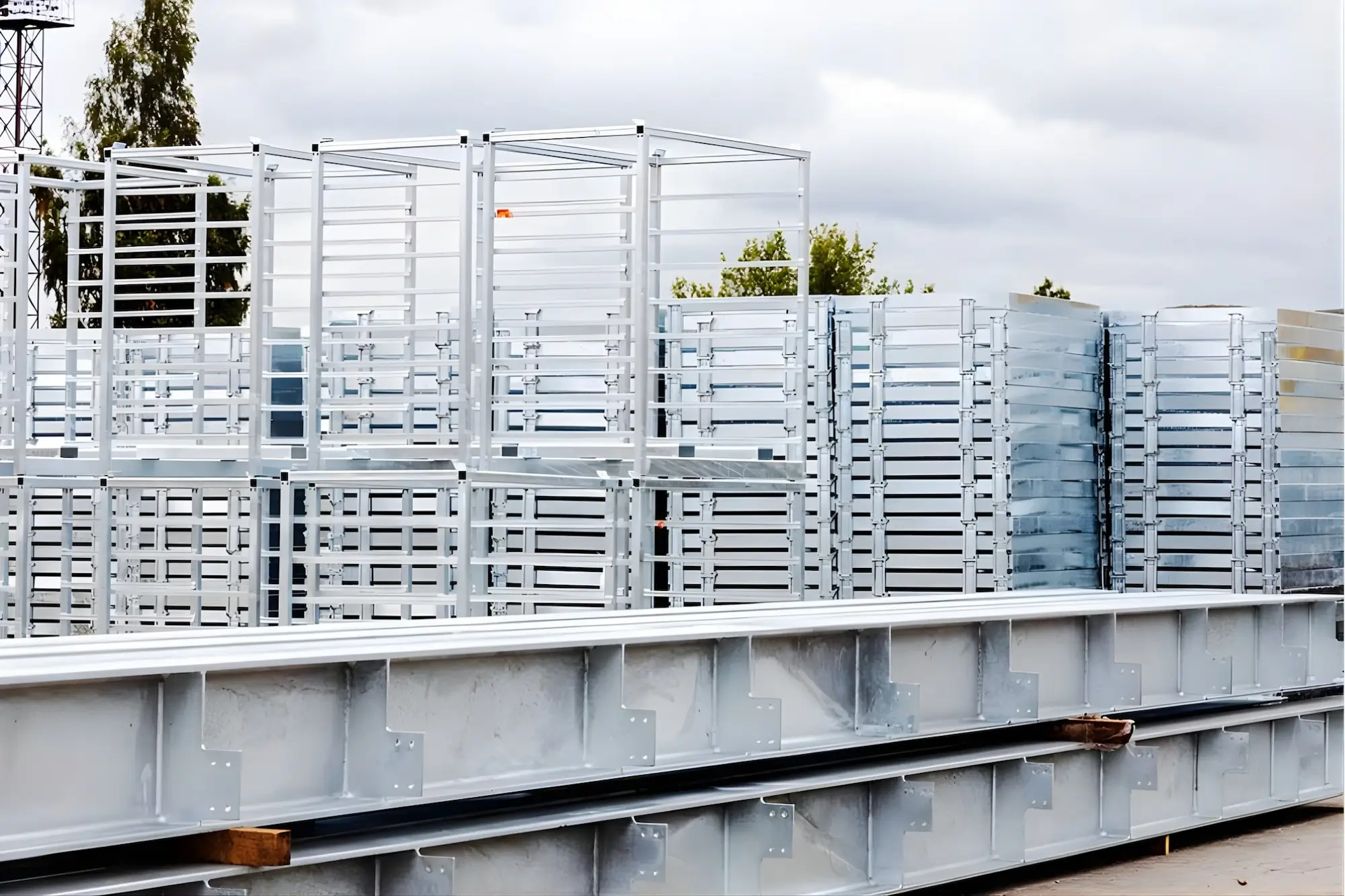
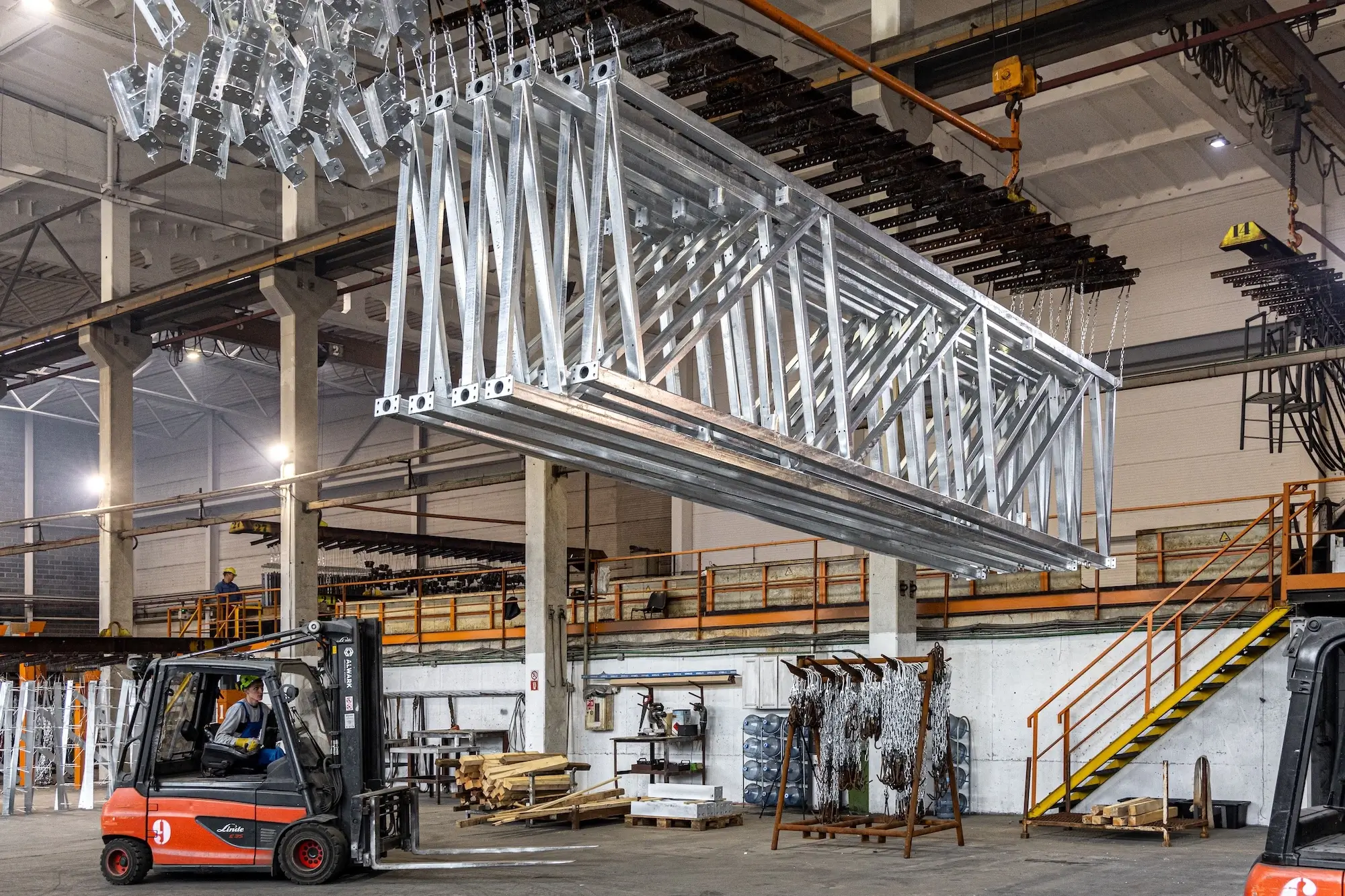
To serve large-scale infrastructure and construction projects, our Latvian facility houses the country’s largest galvanizing bath. Its dimensions are 10.5 meters in length, 2.9 meters in depth, and 1.4 meters in width. Thanks to these technological capabilities and specialized methods, we can successfully galvanize single-piece steel structures up to 13 meters long. We perform high-quality hot-dip galvanizing for large load-bearing building structures, bridge elements, and road infrastructure, as well as for smaller components and fasteners.
Shot Blasting

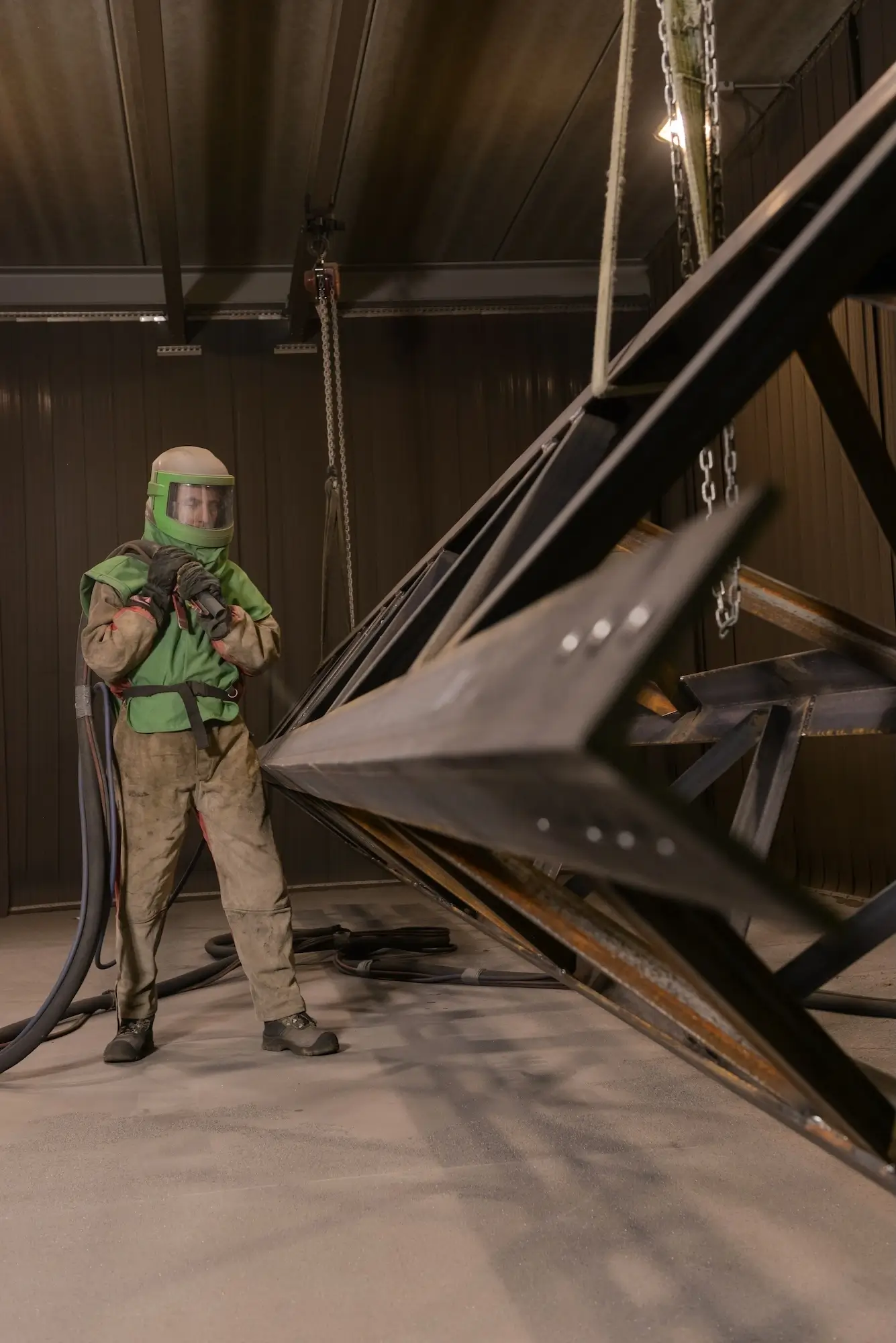
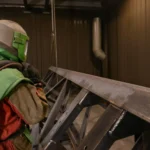
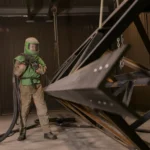
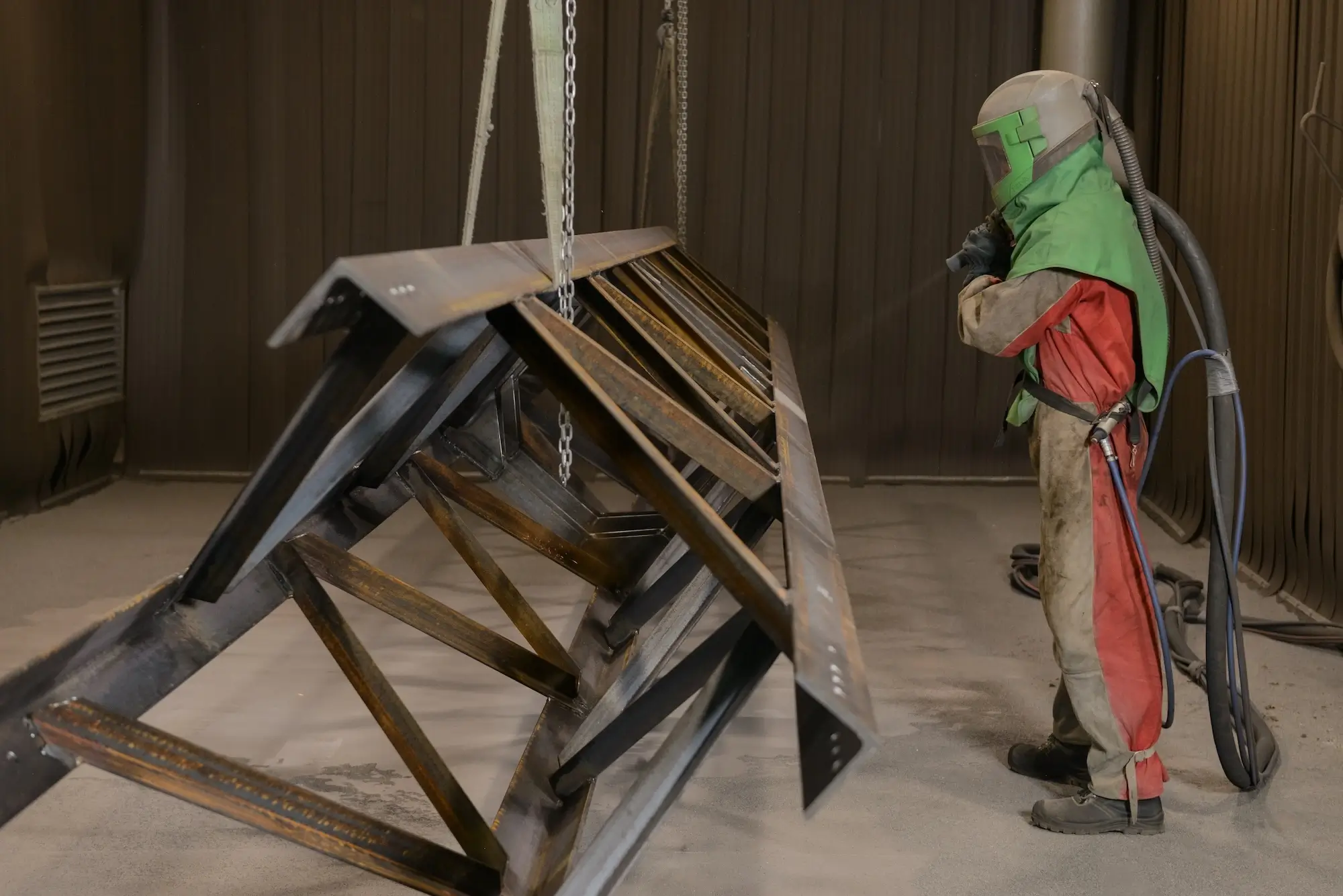
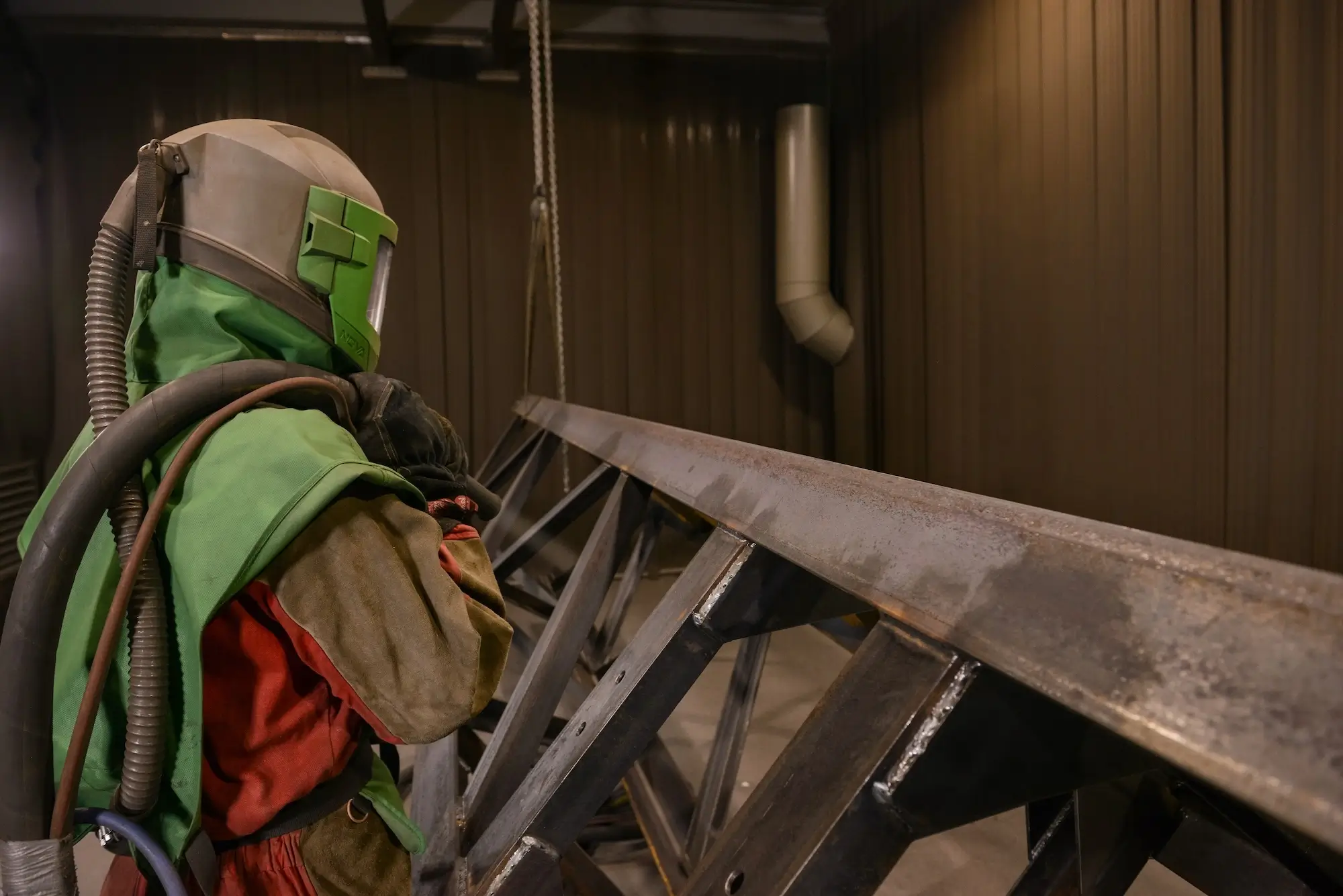
To ensure a proper processing cycle for metal structures and guarantee coating longevity, we offer professional surface preparation via shot blasting. Surface condition prior to coating is a decisive factor; even the highest quality zinc or paint will fail if applied to a poorly prepared substrate. Shot blasting is the most effective method for ensuring maximum coating adhesion to the metal.

Shot blasting is a high-intensity process where a stream of fine abrasive particles is blasted against the metal surface using compressed air. This kinetic energy completely cleans the surface of various contaminants:

  • rust and corrosion;
  • old paint or varnish coatings;
  • oils and other industrial dirt.

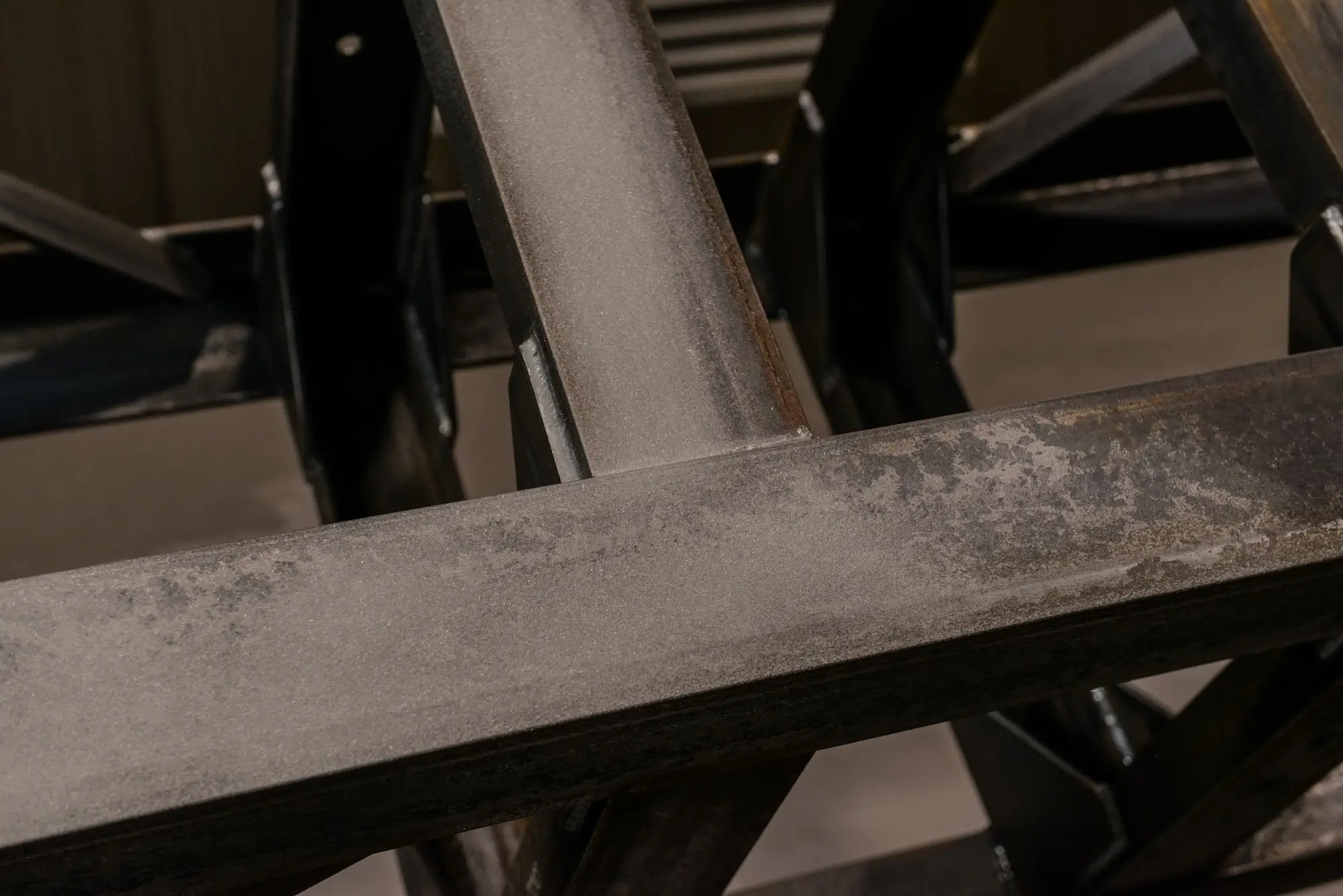
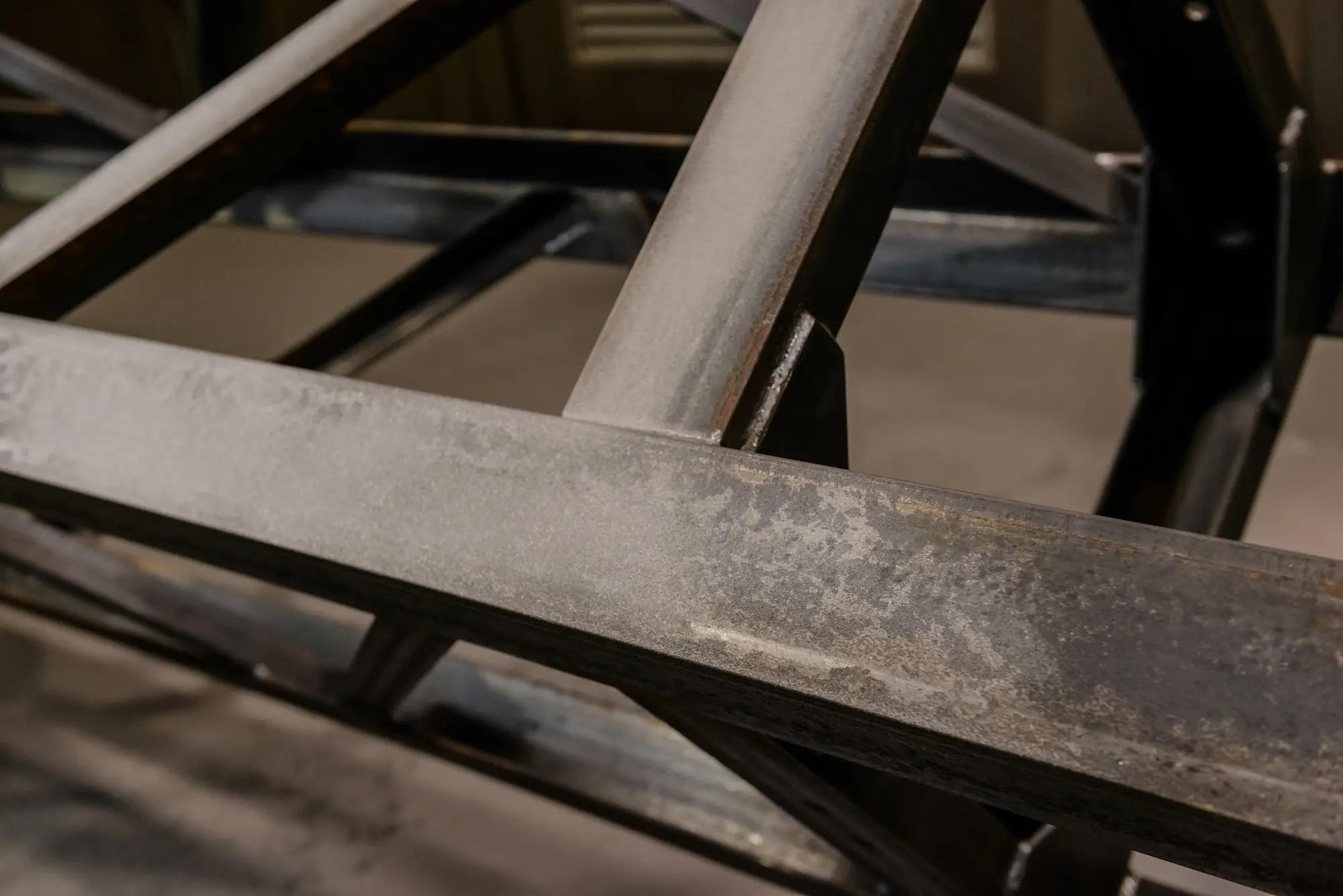
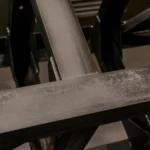
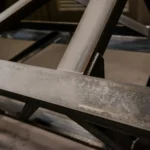
The result is a chemically clean metal surface, ideally prepared for subsequent hot-dip galvanizing, painting, or metallization.

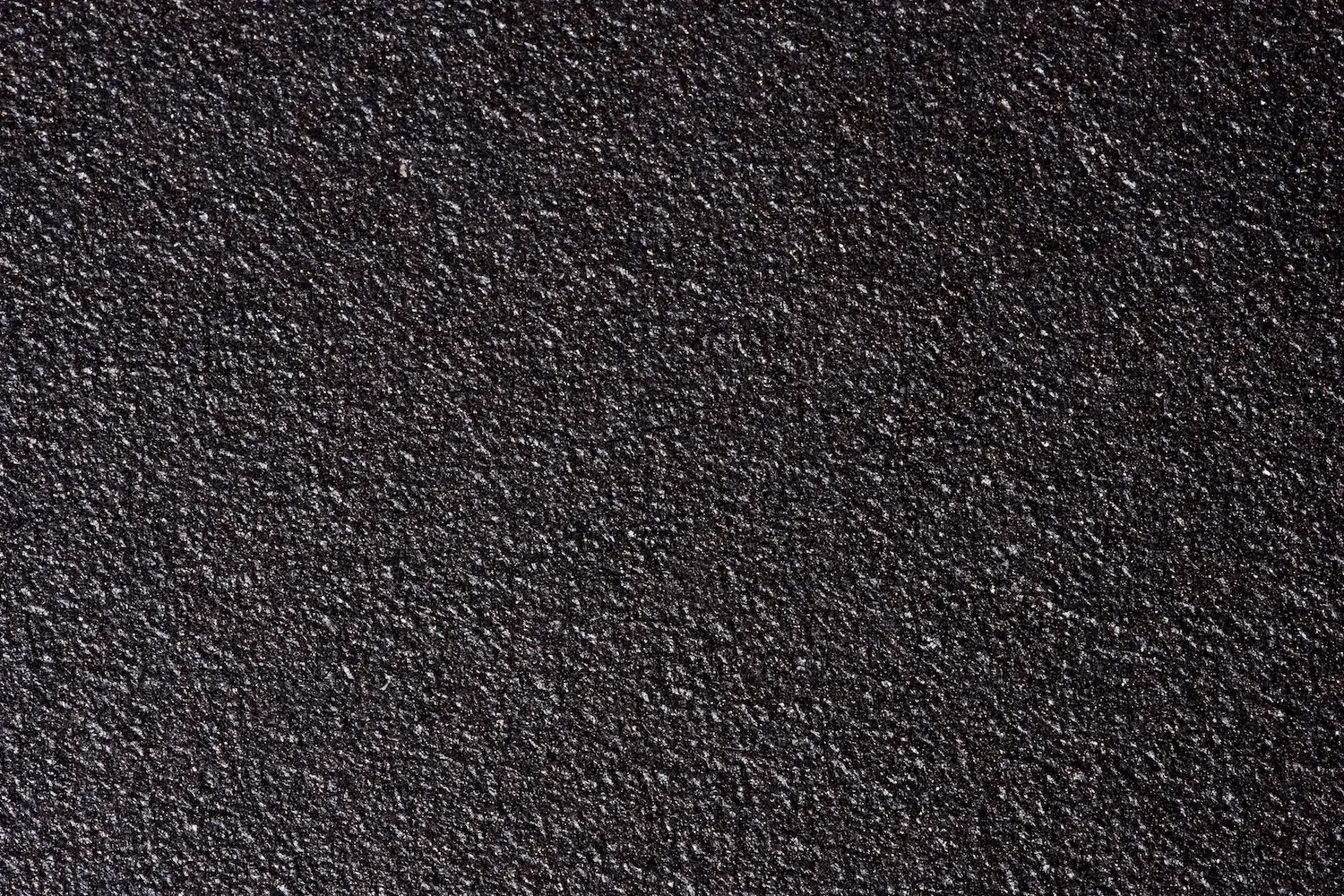
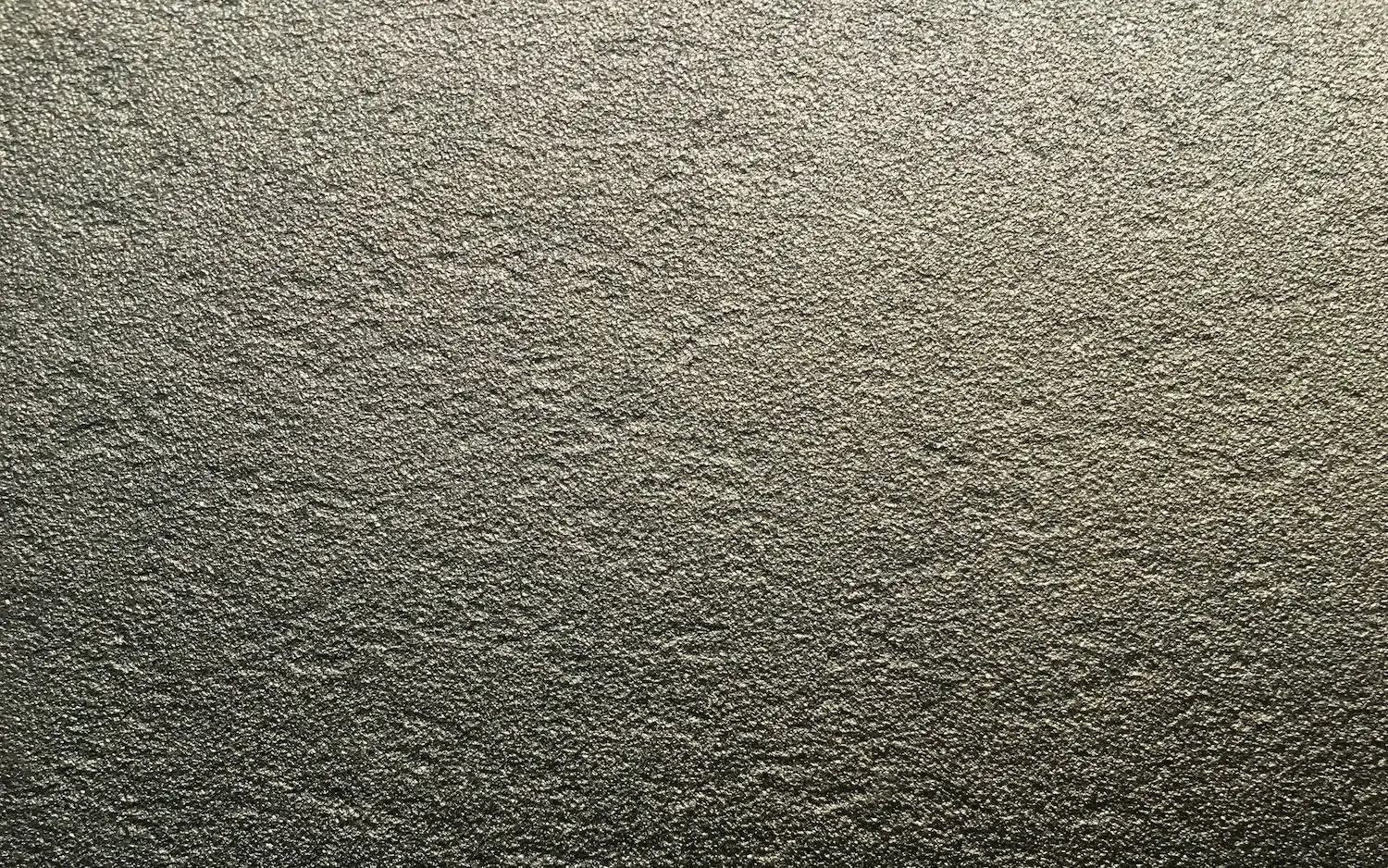
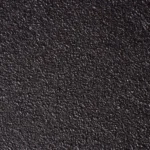
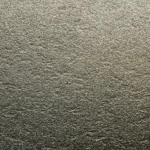
We use high-hardness steel grit/shot with a precise diameter ranging from 0.46 to 1.18 mm. This fraction choice is deliberate. It allows us not only to clean the surface but also to create the necessary roughness (anchor profile). It is precisely this microscopic relief that increases the contact area, allowing the coating to “grip” the metal, significantly improving protective capabilities and extending the structure’s service life.

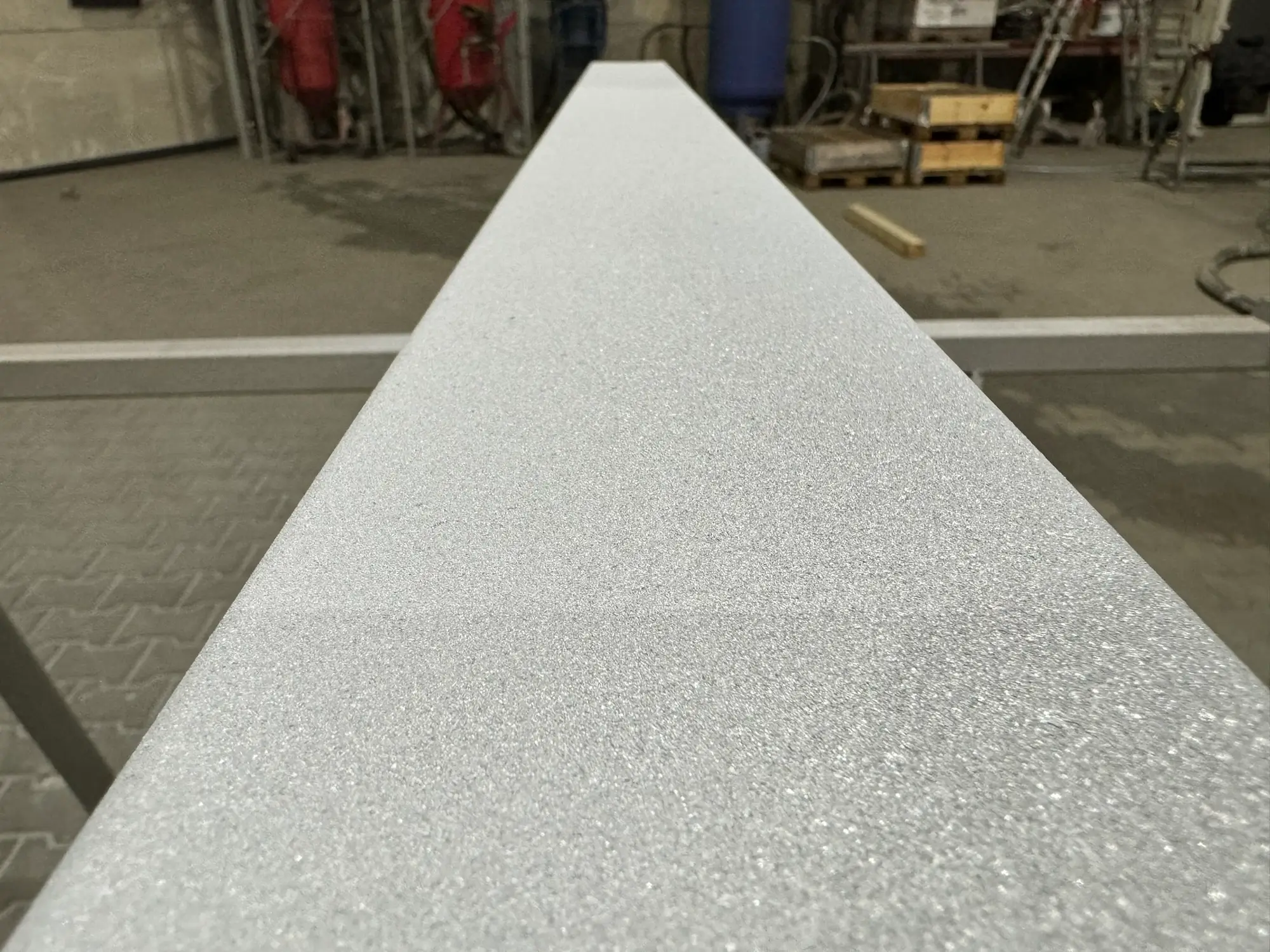
Our equipment enables us to process large-scale and non-standard structures, with a chamber capacity suitable for parts up to 16 meters long. In addition to standard cleaning, we offer a specific service – light sweep blasting for already galvanized structures. This is essential for preparing a galvanized surface for painting (the Duplex system), creating a matte finish that ensures paint adhesion without damaging the protective zinc layer.

Passivation (BriteSeal System)

ZN Metals is the only hot-dip galvanizing company in Latvia offering metal processing that includes passivation as part of the standard process. This top-tier metal post-treatment acts as a shield for the newly galvanized surface, protecting it from environmental impact during critical early months of operation.

Freshly galvanized steel is chemically active. Upon contact with humidity or rain, zinc oxidation products, commonly known as “white rust”, can form. These are white, powdery spots that, while not affecting the steel’s structural strength, significantly ruin its visual appearance. Passivation creates an invisible yet effective barrier preventing this reaction, keeping the metal surface shiny and clean.

To achieve the best results, we use the modern BriteSeal two-component system:

  • Component A (Silicate Base)

This water-based silicate mixture acts as a foundation. Upon contact with the zinc surface and CO₂ in the air, it catalyzes a reaction that forms a strong chemical bond, creating an ultra-thin, inorganic protective layer closely adhering to the metal.

  • Component B (Hydrophobic Effect)

To ensure complete protection, a silane mixture is added. This fundamentally alters the chemical structure of the protective layer, making it hydrophobic or water-repellent. This property is crucial as it prevents moisture from reaching the metal and reduces the risk of the protective layer dissolving due to external factors.

Treatment involves fully immersing the metal structures in a passivation fluid bath. This ensures the reagent evenly covers all surfaces, including hard-to-reach corners and joints, forming a uniform compound of zinc and the passivation reagent. Consequently, the client receives a product that is not only protected against corrosion but also retains its commercial appeal during transport and storage.

Duplex Coating

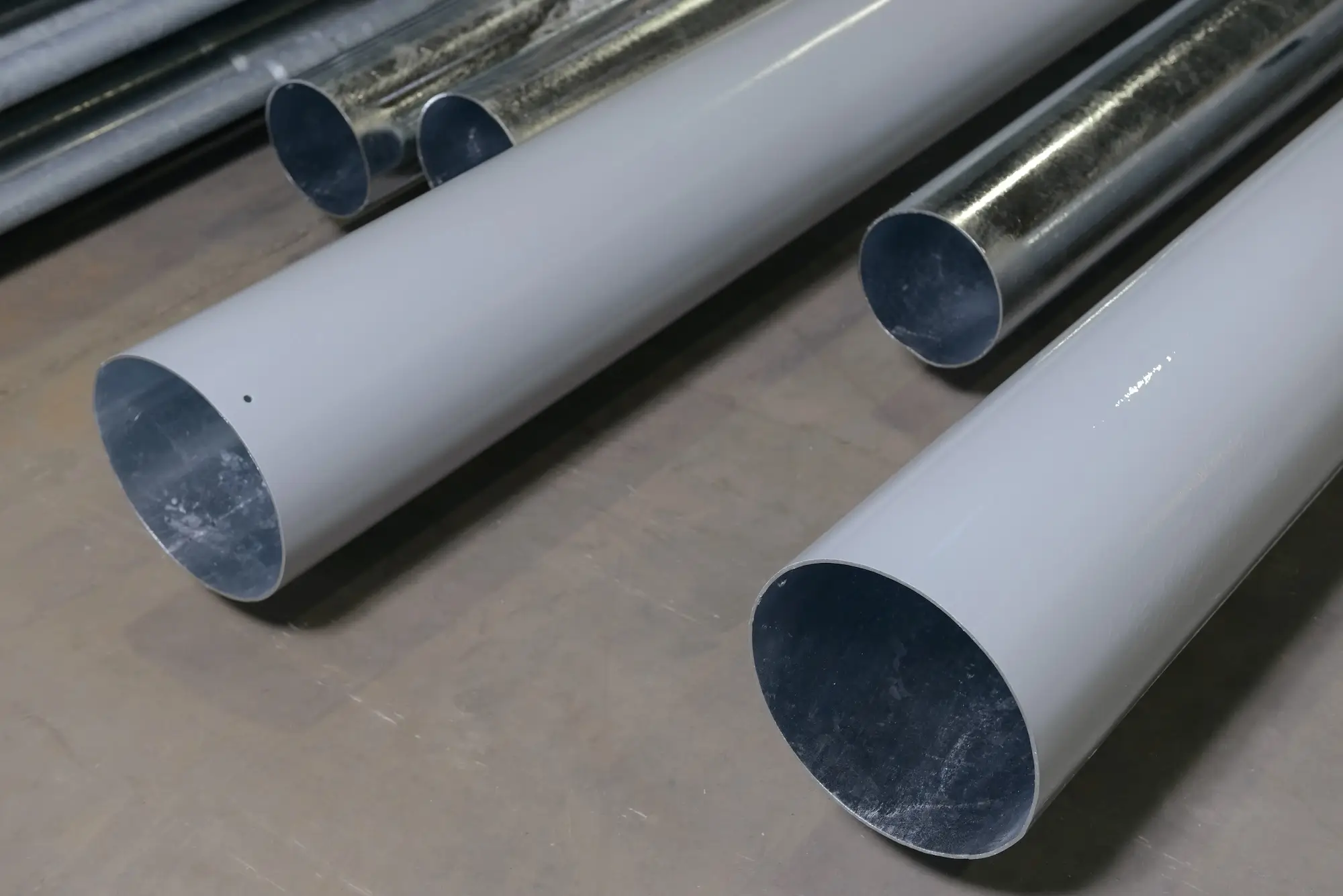
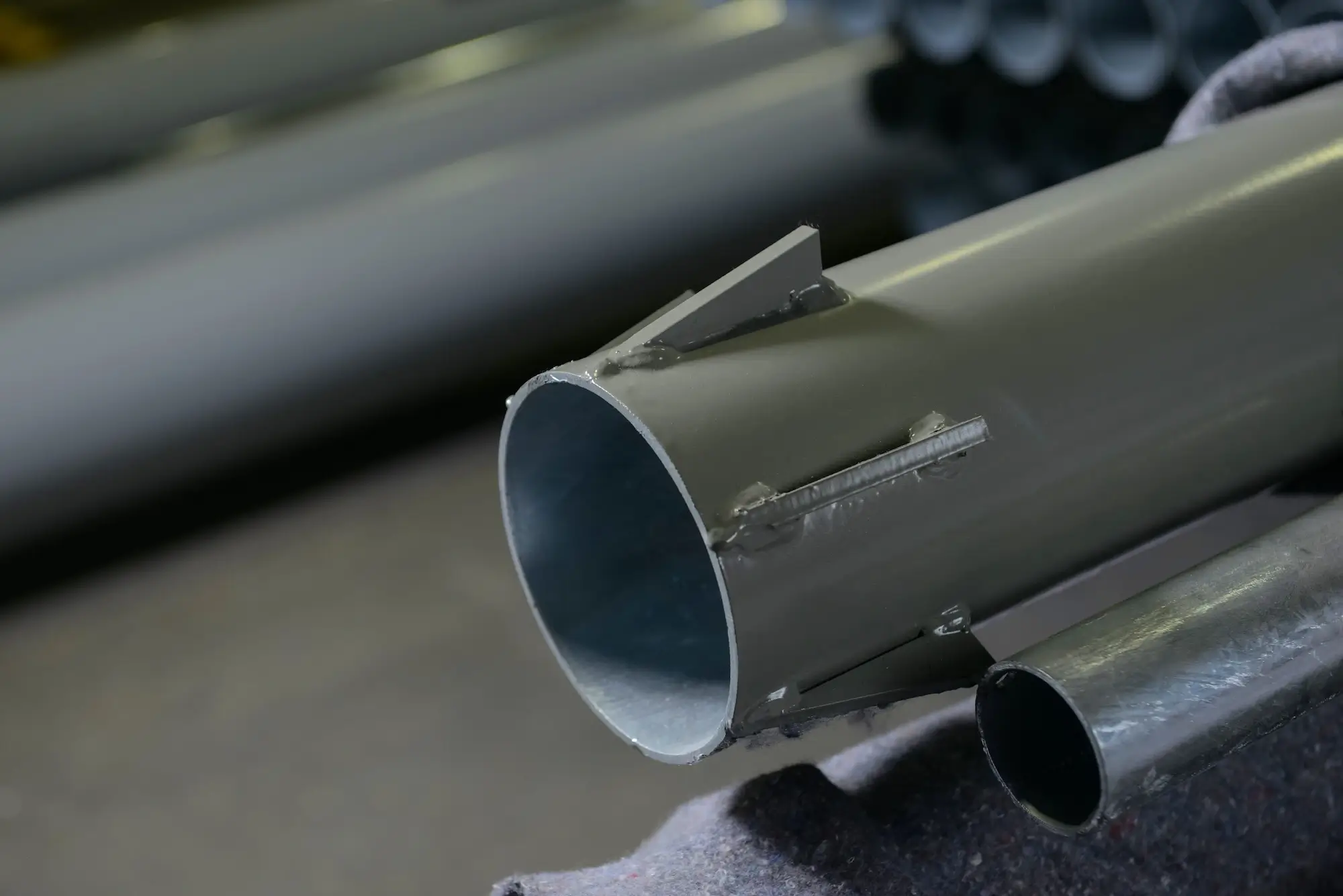
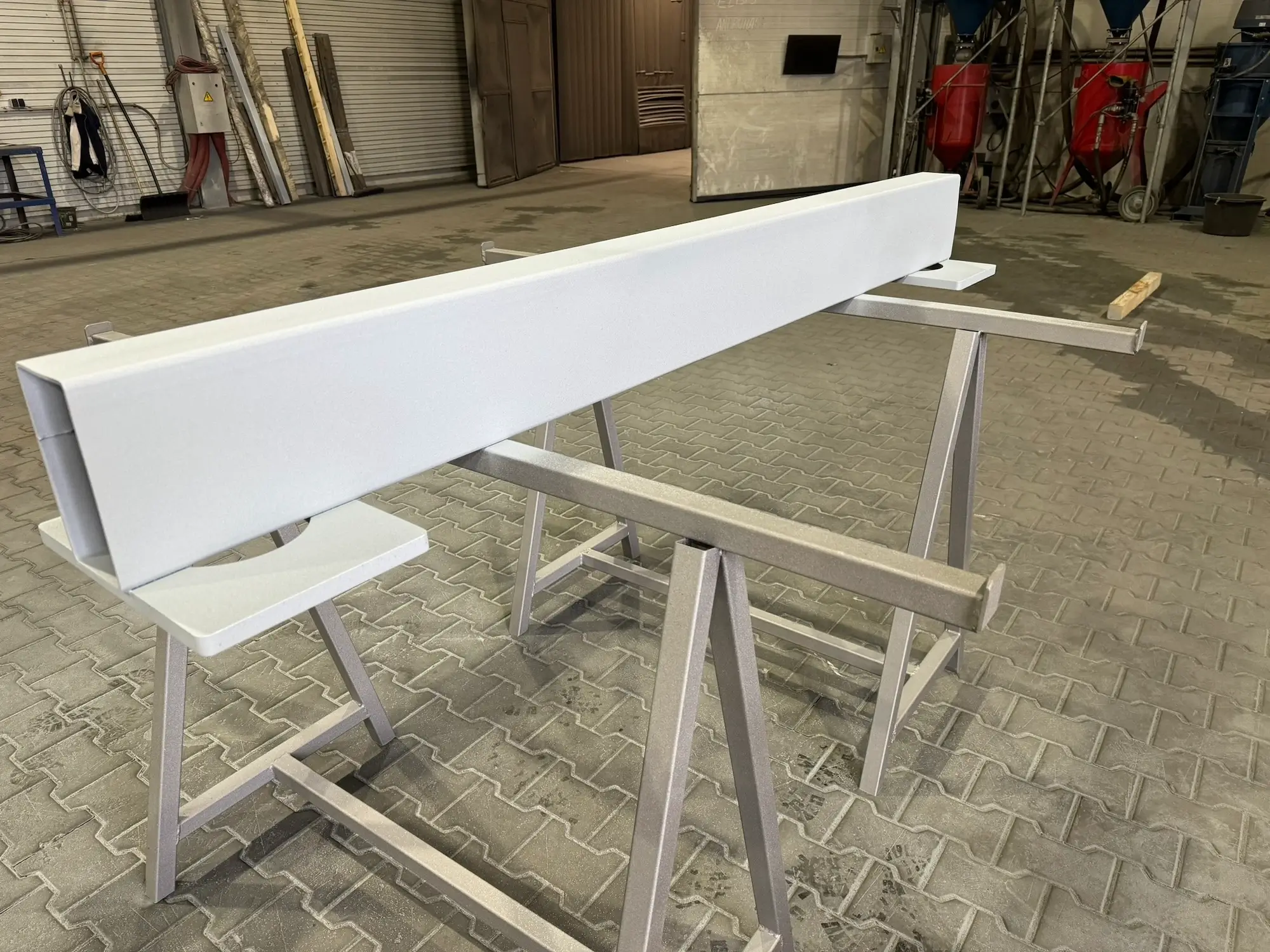
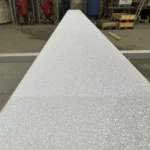
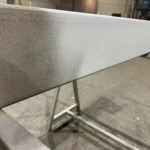
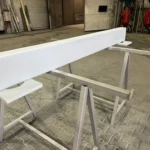
Painting after galvanizing, internationally known as the Duplex system, is the most effective modern solution for protecting metal structures in aggressive environments (e.g., industrial zones or seaside climates). This method provides mutual protection: the zinc layer protects the steel from corrosion, while the paint layer shields the zinc from external environmental impact and chemical wear. As a result, the structure’s service life increases by 1.5 to 2.5 times compared to using either metal processing method individually.

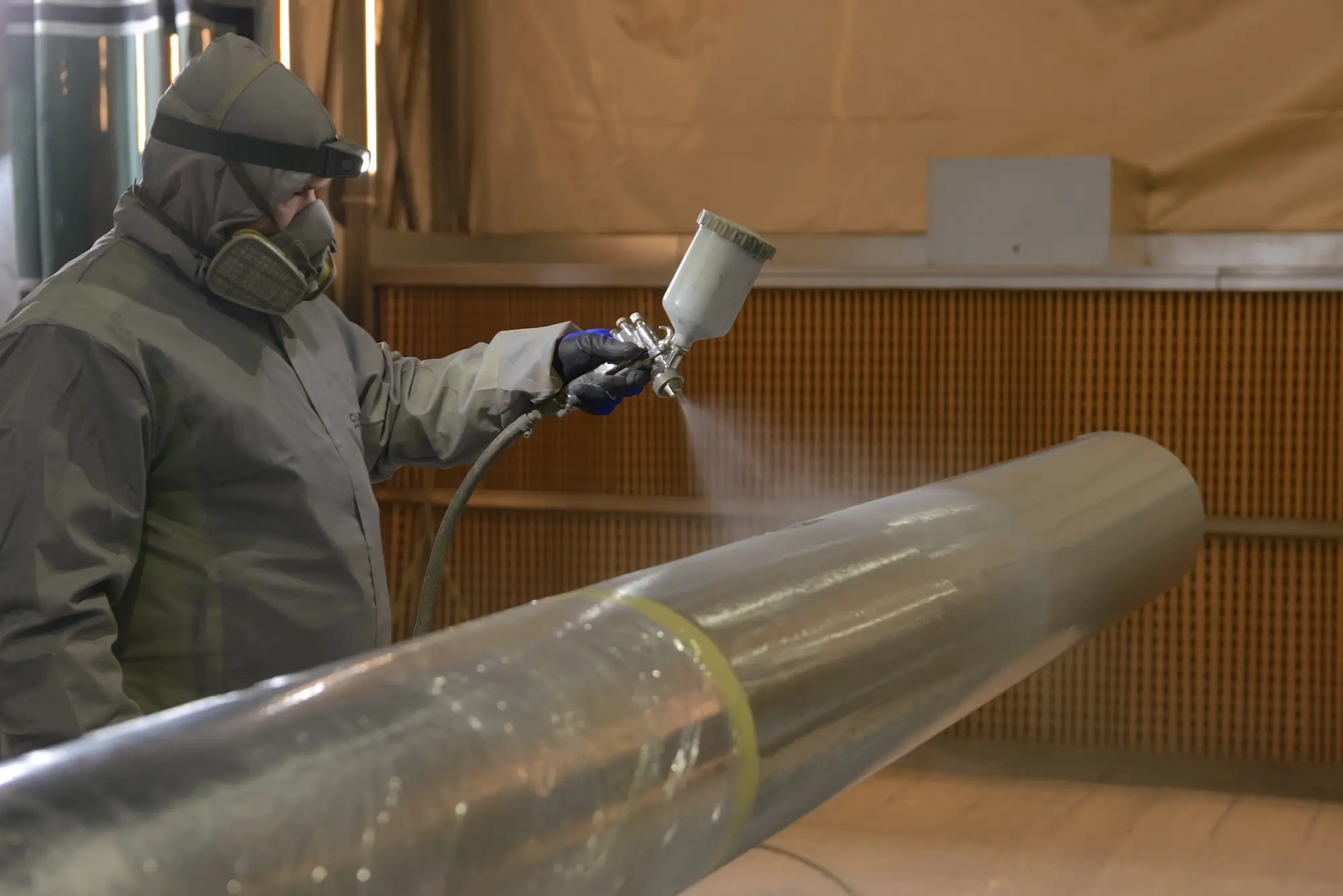
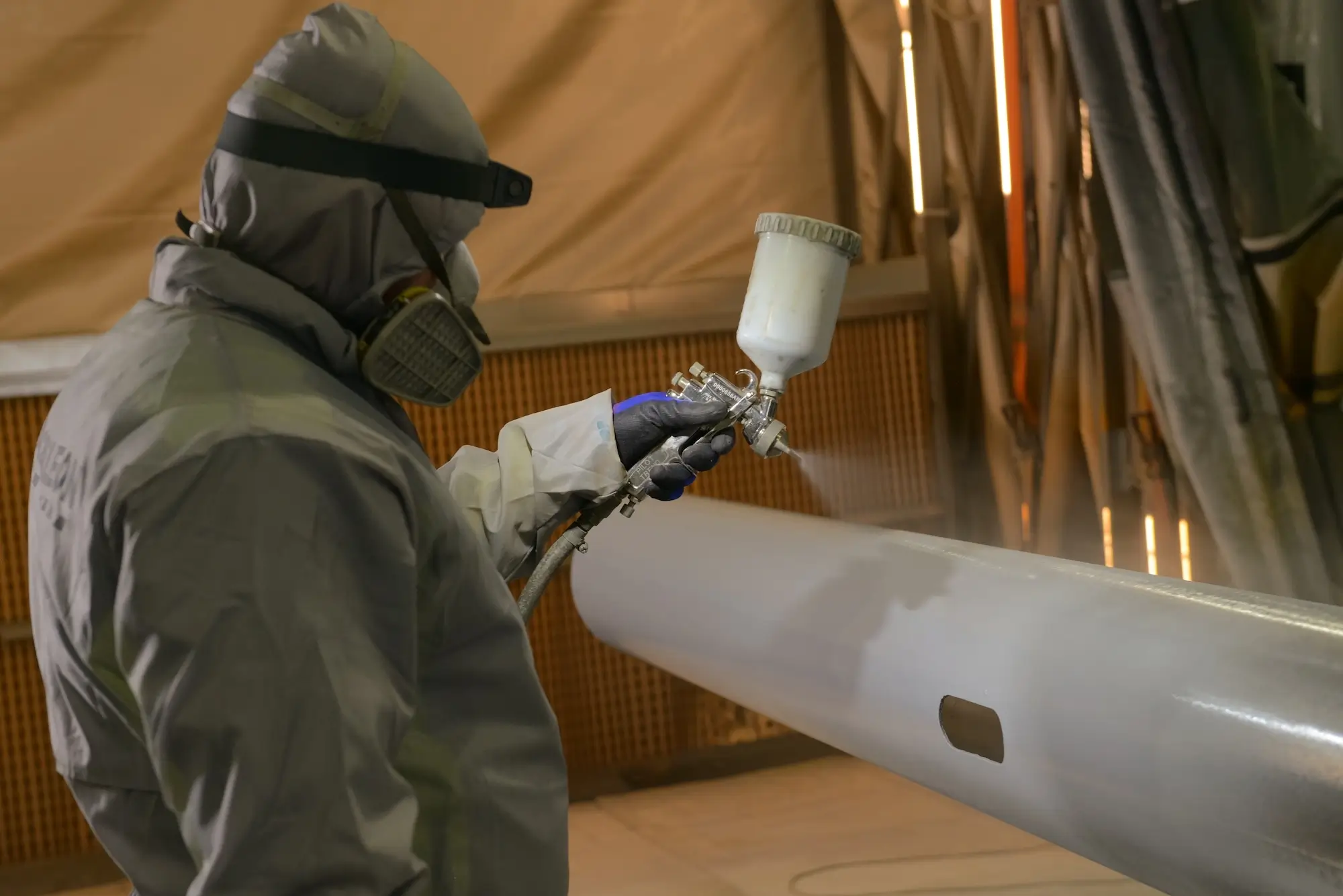
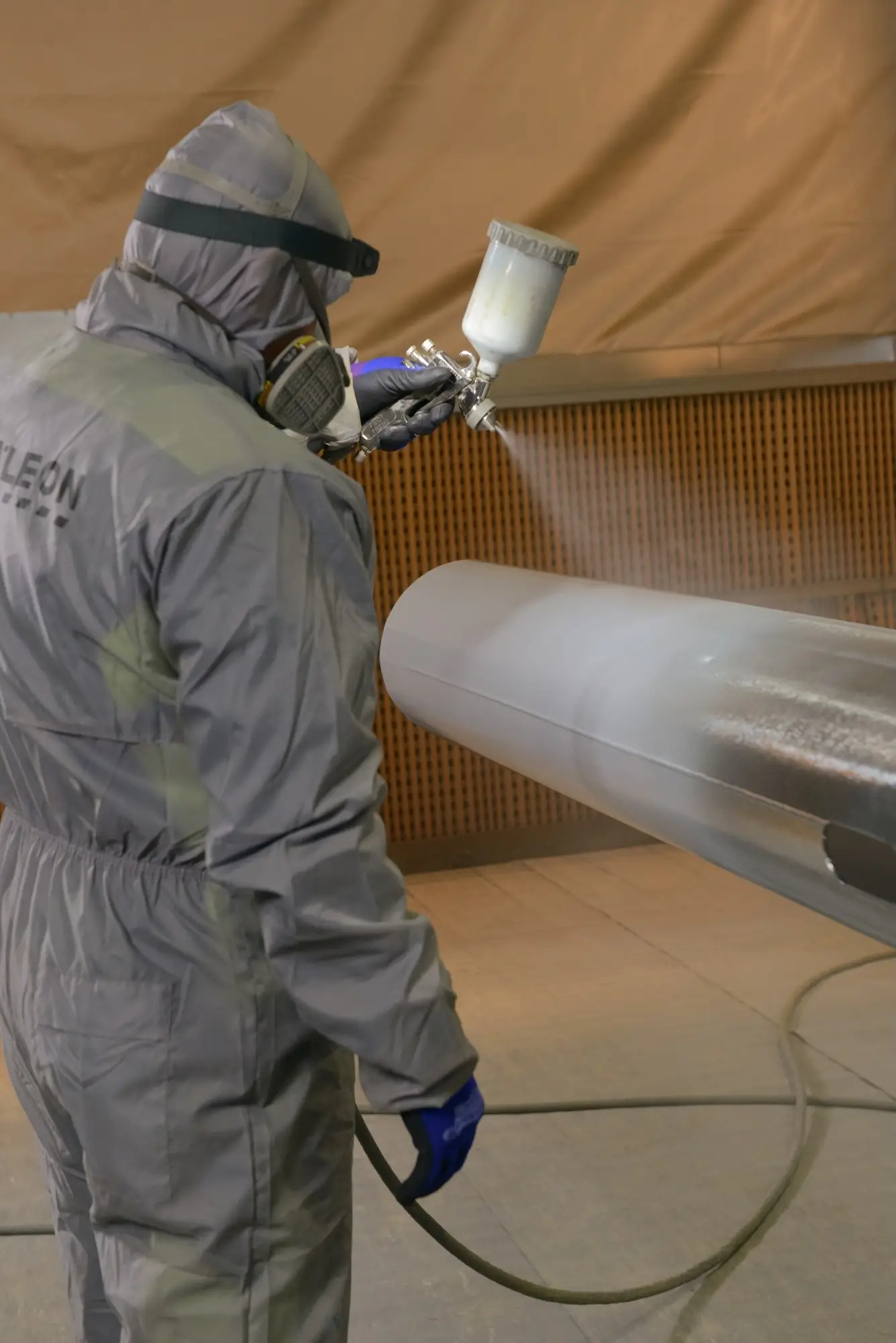
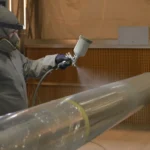
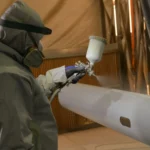
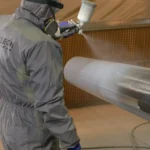
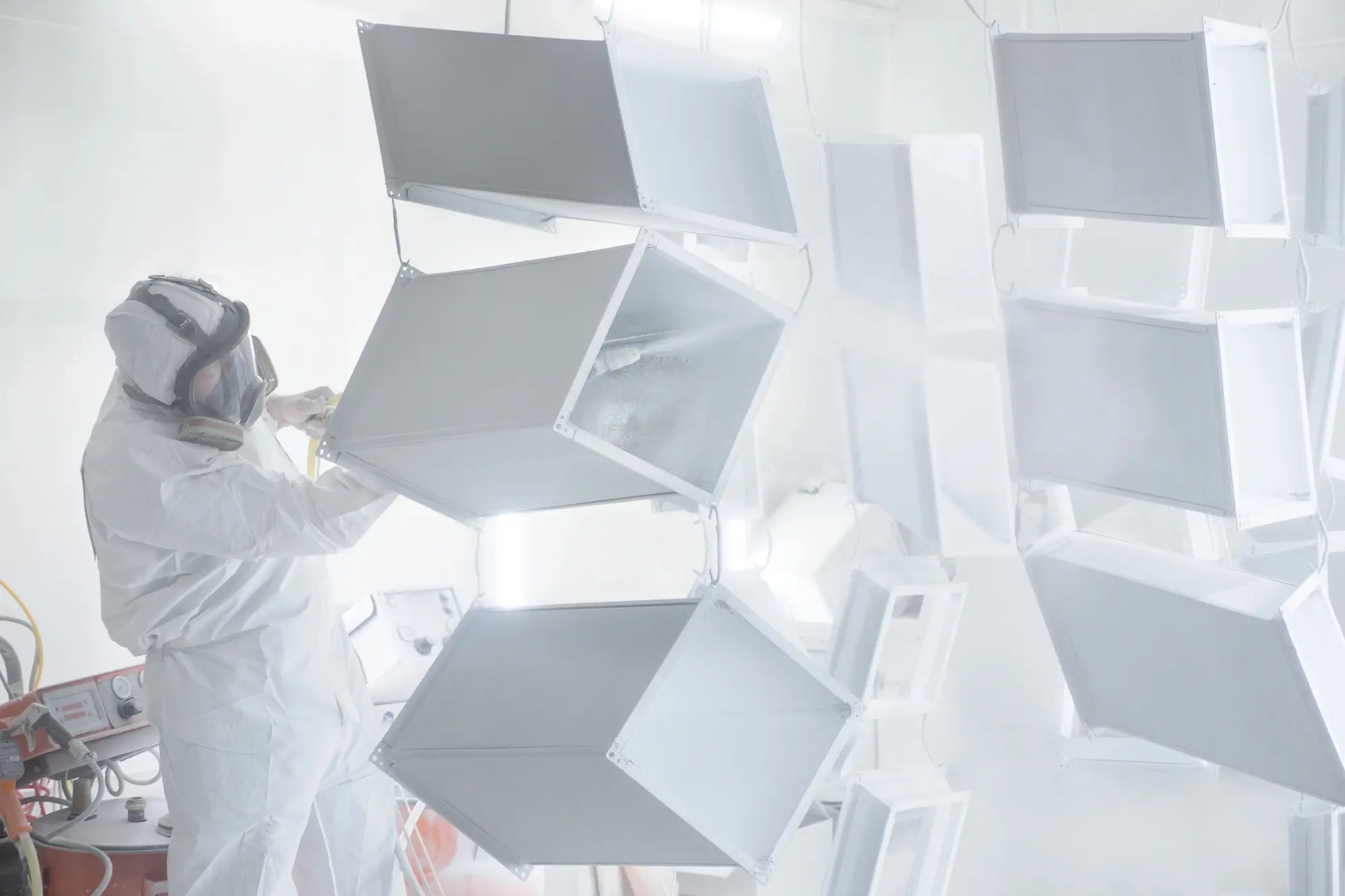
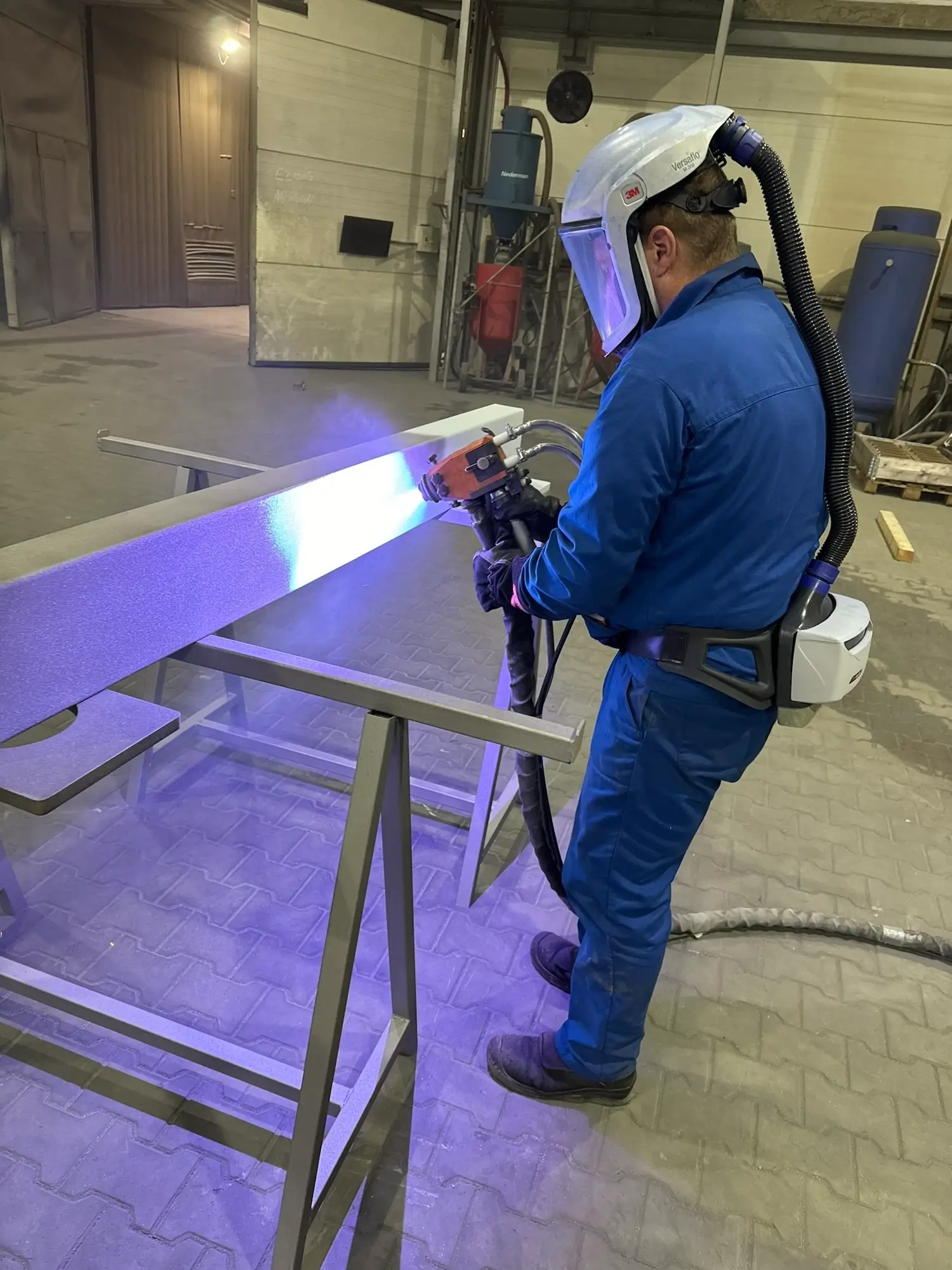
We provide professional metal structure painting using high-pressure spraying, guaranteeing uniform coating thickness and an excellent visual finish. Depending on project specifics and operating conditions, we offer two types of coatings in any RAL shade:

  • Epoxy paints

Distinguished by high mechanical resistance and excellent adhesion, forming a hard, chemically resistant layer.

  • Polyurethane paints

Ensure excellent UV resistance, retaining color tone and gloss long-term, while giving the surface elasticity.

Speed is the cornerstone of a high-quality Duplex system. After hot-dip galvanizing, the zinc surface begins reacting with air, forming oxides and salts that can impair adhesion. To guarantee the paint does not peel, Duplex coating application must occur as soon as possible. We strictly adhere to the technological process, applying paint optimally no later than 8 hours after galvanizing. This is possible thanks to our efficient facility layout, where the painting shop is located directly next to the galvanizing bath.

Our painting chamber can process large-scale structures up to 16 meters long, which is essential for bridge construction and industrial building frames. While we specialize in painting of galvanized surfaces, we also offer painting of untreated (“black”) metal following thorough surface preparation. For each project, we select the most appropriate paint composition and perform quality control to ensure the result meets both engineering and architectural requirements.

Powder Coating

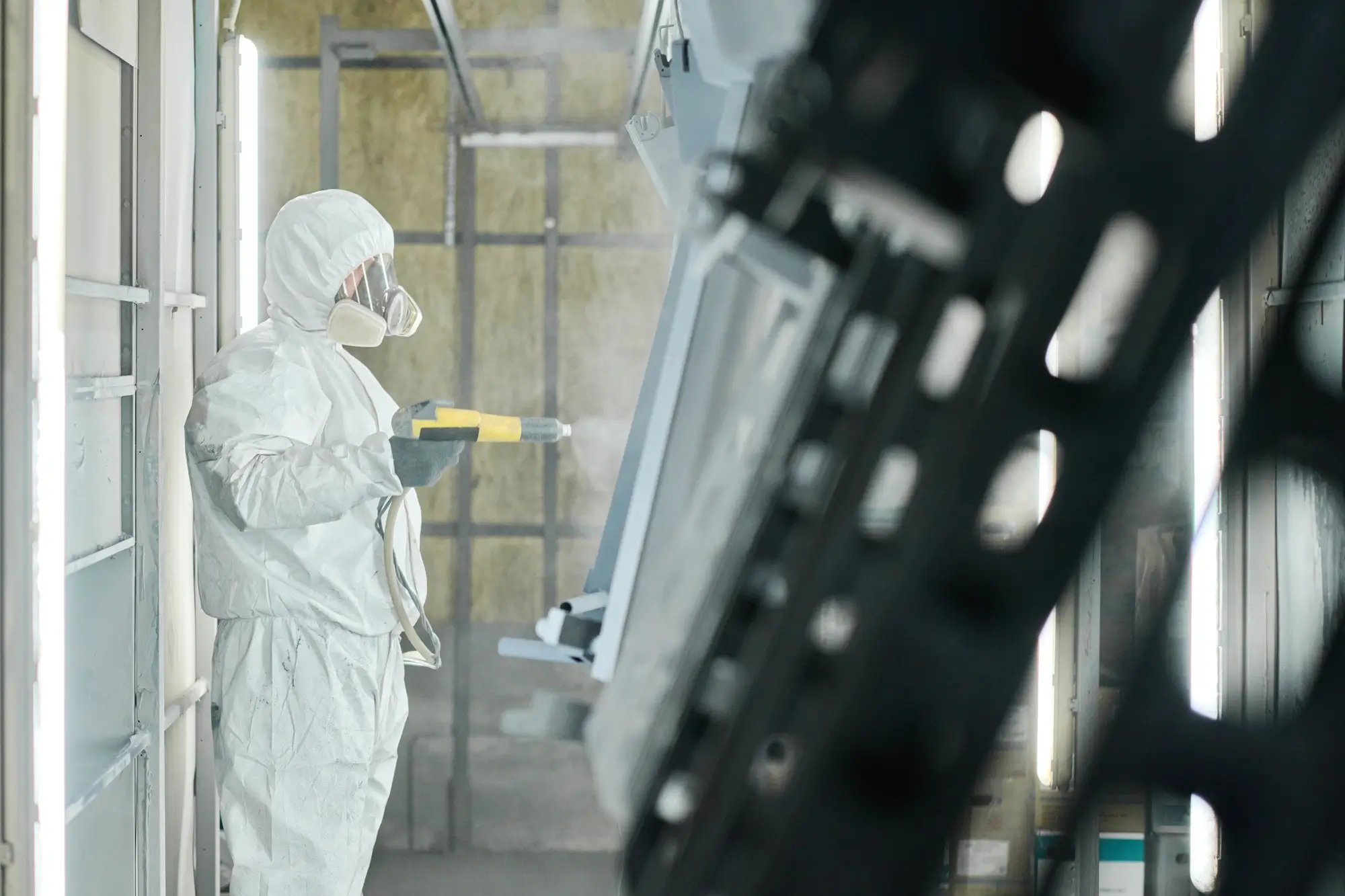
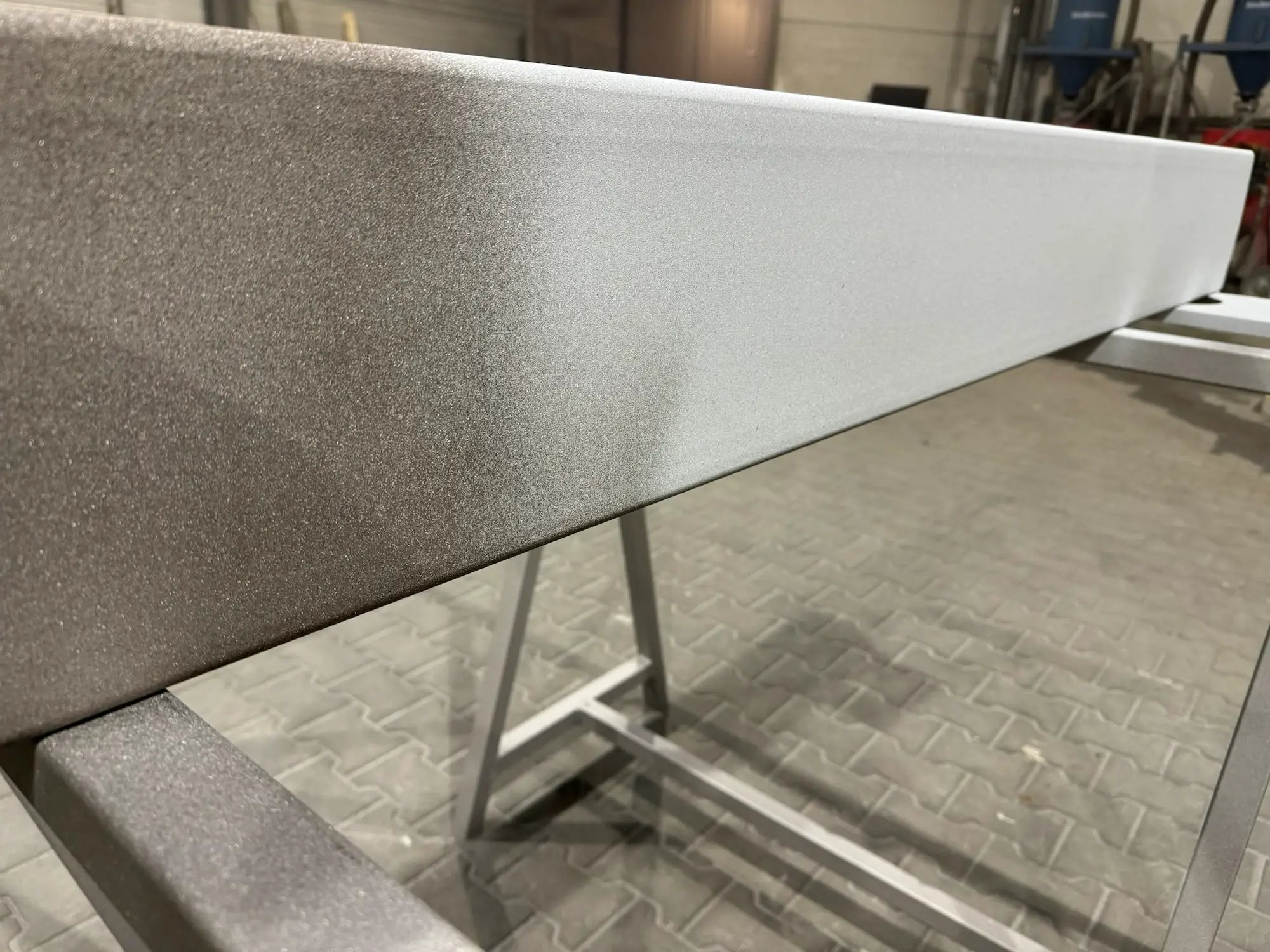
Powder coating is a metal processing method serving as an alternative to traditional wet painting. Unlike liquid paints, this process relies on a dry electrostatic method. It creates a uniform, monolithic polymer layer on the metal surface that becomes extremely hard after oven curing. Such a coating ensures excellent impact resistance, protection against scratches and corrosion, while maintaining elasticity and a flawless decorative appearance.

A key market advantage for ZN Metals is our thoughtful facility layout: the powder coating line is situated right next to the galvanizing line. This allows us to implement the Duplex system (painting on a galvanized surface) with maximum efficiency. We can rapidly transport structures from the galvanizing bath to the painting zone, preventing oxidation of the galvanized surface. This is critical for ensuring ideal paint adhesion to the metal and preventing future peeling.

We do not compromise on technology, working with equipment from world-renowned leaders such as Gimeco, Wagner and Romer. The process begins with powder application in an electrostatic field, causing paint particles to “stick” to the grounded metal part, evenly covering even complex shapes and corners. This is followed by polymerization in a curing oven, where the powder melts and hardens.
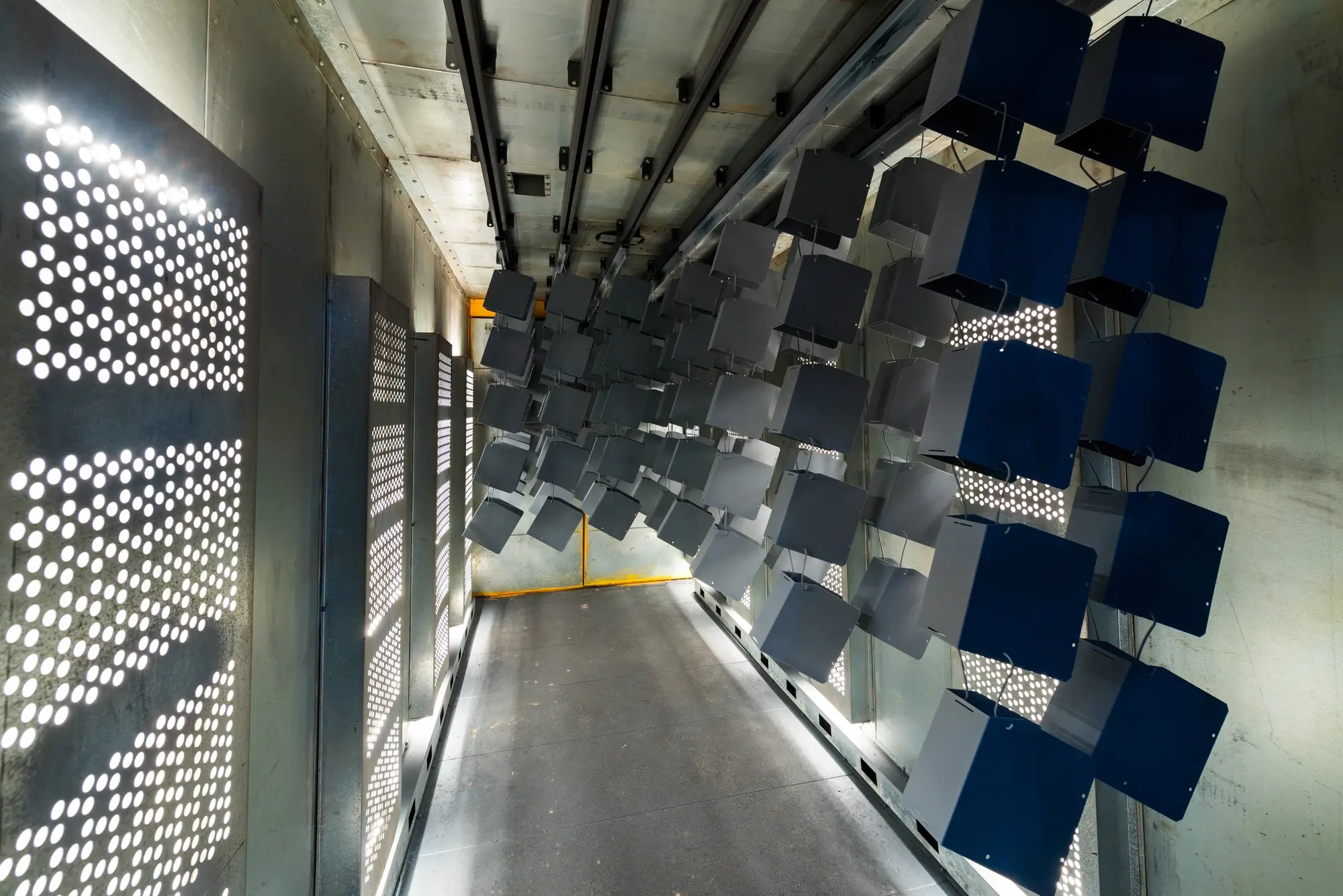
Our powder coating oven is suitable for processing a wide spectrum of metal products, from fence elements and railings to various industrial parts. Maximum dimensions for processing:
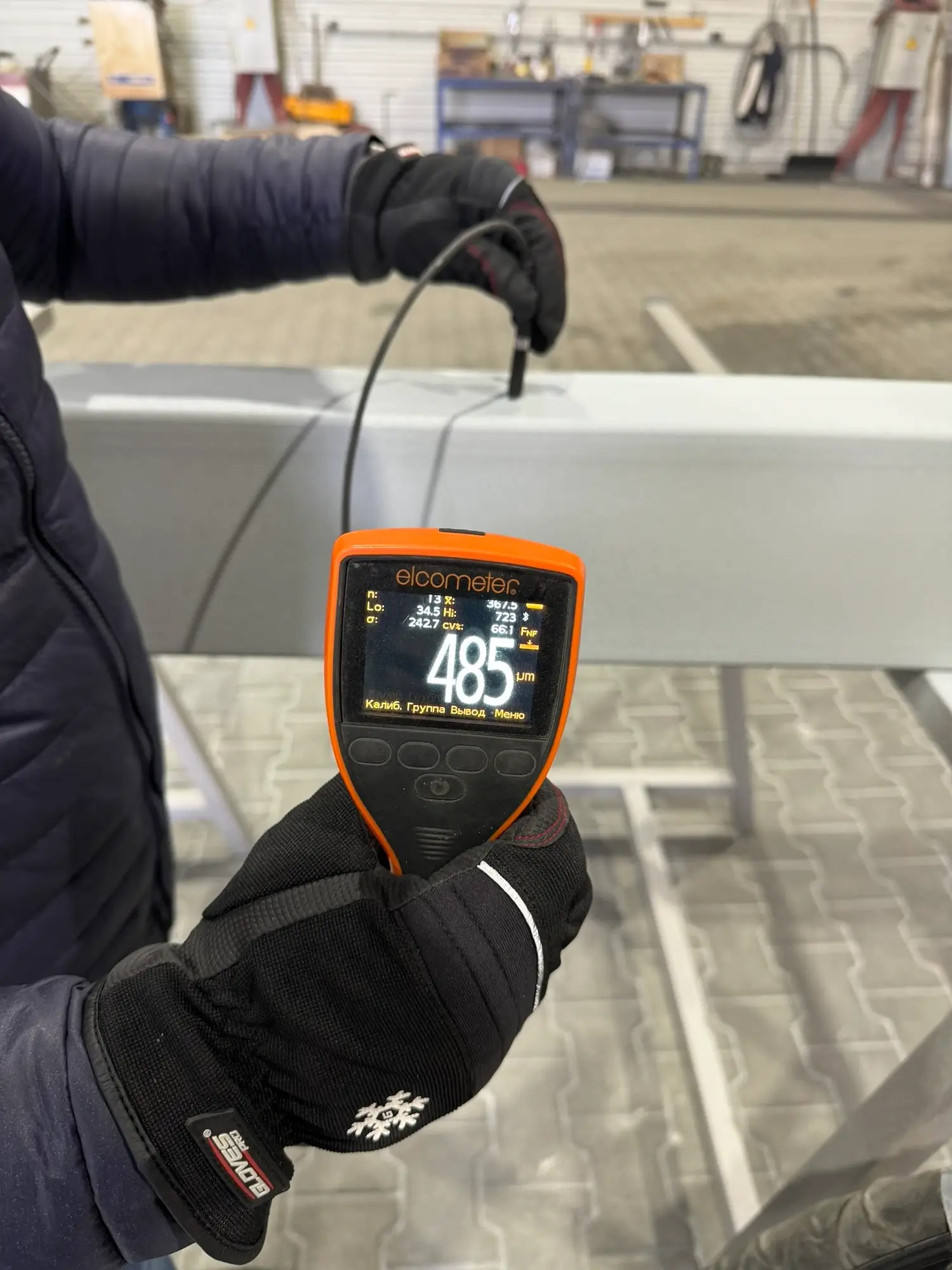
  • Length: 6000 mm
  • Width: 1500 mm
  • Height: 1950 mm

Metallization

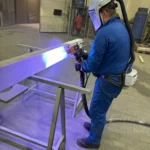
Metalization, often referred to as “cold” galvanizing, is technically a thermal spraying process. During this process, molten zinc is applied to a specially prepared (shot-blasted) metal surface. Similar to hot-dip galvanizing, this method forms a dense, long-lasting layer that effectively protects steel from corrosion and mechanical impact, yet it offers technological freedom that galvanizing baths cannot.

We use a high-performance electric arc metalizer to melt zinc wire. An electric arc instantly melts the zinc, which is then sprayed onto the surface using a compressed air stream. When the zinc particles strike the metal, they solidify to form a “scaly” coating acting as both a physical barrier and electrochemical protection.

Metalization is indispensable when hot-dip galvanizing is impossible or undesirable due to:

  • No thermal deformation risk

Since the structure is not heated to 450°C, there is no risk of warping or geometric change. This is ideal for thin-walled parts, complex art objects, or precision engineering structures.

  • No size limits

If a structure is too large for the galvanizing bath, metalization is the premier alternative. We can process objects of any size, such as bridge beams or large-scale tanks.

Unlike the immersion method, there is no need for air venting or drainage holes. The structure maintains its visual integrity and airtightness.

One of the greatest advantages of metalization is the ability to precisely control coating thickness regardless of the steel’s chemical composition (e.g., silicon content). We can apply a thicker zinc layer in high-load areas or perform zonal processing by coating only specific parts (e.g., welding seams) without affecting the rest of the surface.